Diabetes Fast Food Guide: What to Order at Subway
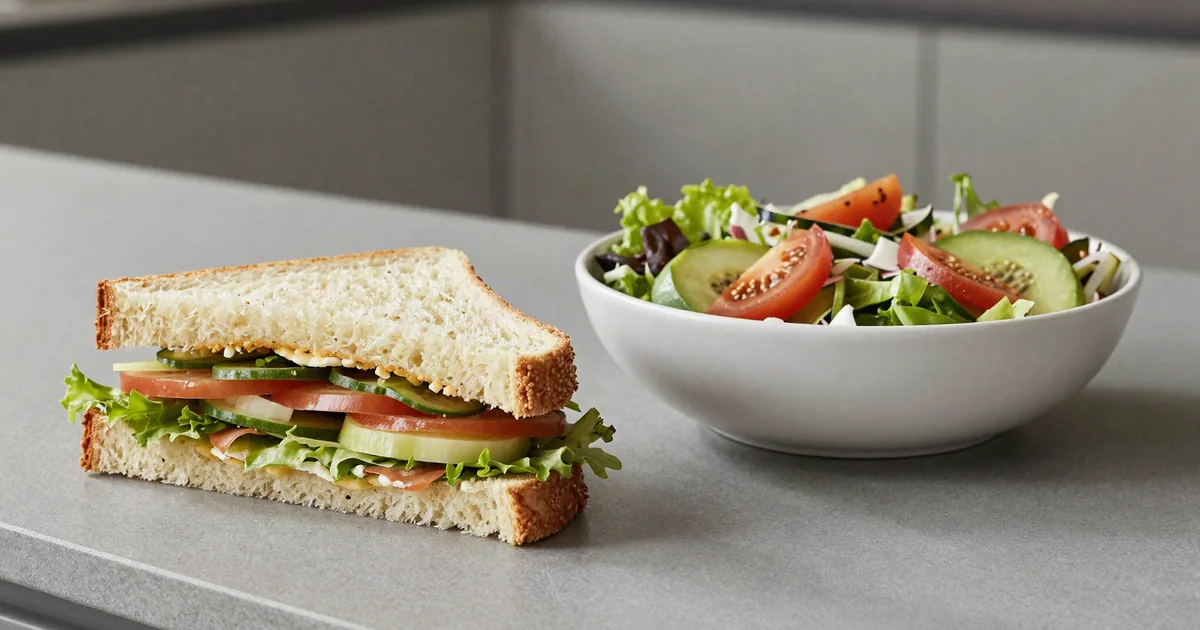
Quick answer: A six-inch Subway with double protein and a pile of vegetables lands around 40 to 50 grams of carbs, a protein bowl with no bread lands near 10, and the sauce you pick moves your reading more than the meat does. I order the bowl on work days and the six-inch when I want an actual sandwich, and both keep me under 6 mmol/L at the two-hour mark.
My A1C was 9 and it’s 6.5 now, and I did not get there by never walking into a fast food place again. I install water filtration systems, 12 to 16 hour days, and lunch is whatever is near the job, so Subway got figured out the way I figure out a leak, find out where it’s actually coming from before you start ripping out pipe.
The numbers here come from Subway’s own published listings, and I say roughly because portions move by region and by whoever is holding the scoop. Check the app before you order if a number is going to decide the meal.
If you want the number for one packet before you buy it, the Snack Checker reads the barcode and gives sodium, sugar and salt per 100 g.
Why is Subway easier than the burger chains?
Because the menu doesn’t decide for you.
At the burger place the structure is already built, bun, patty, fries, drink, and you are choosing between versions of the same thing. At Subway the thing gets assembled in front of you, line by line, and every carb that ends up in it is one you asked for out loud.
It’s not a health food story, it’s a control story. Same store, same bread, same sauces, and the difference between a 40-carb lunch and an 80-carb lunch is four words at the counter.
Is the bread or the sauce the real problem?
Both, but they are not the same size of problem.
The bread is the big number and it is right there in the open. Six-inch white runs roughly 36 to 40 grams of carbs. The footlong is two of those, so 75 to 80. The 9-Grain Honey Oat sounds like the responsible choice and sits in the same range, because honey is still honey once it hits your blood. The lower ones, the wrap around 25 to 30 grams, the Hero-style bread around 10 to 15, change the whole meal, and availability varies by region, so look before you count on it.
The sauce is the quiet number. Sweet Onion is 6 to 8 grams of sugar per serving and the normal pour is two or three of those. Mayo-based sauces trade the sugar for fat and close to no carbs. Mustard, vinegar, oil, hot sauce: near zero. I get the Sweet Onion on the side now and dip it, and about half never reaches the bread. That’s not willpower, that’s a smaller spoon.
What are the five orders I actually use?
I can say all five without reading the board.
The protein bowl. Chicken or turkey, doubled, every vegetable they have, no bread. Around 10 to 15 grams of carbs, all of it from vegetables, and 25 to 35 grams of protein. This is my default on a long day because protein and vegetables hold me from 1 p.m. to 8 p.m. without a second lunch and a slump.
Turkey six-inch on 9-Grain, heavy vegetables. Mustard, no sweet sauce. Around 40 grams before sauces, under 45 with water. This is the one that still eats like a sandwich and not like a salad I’m pretending to enjoy.
The wrap. Roughly 30 grams, and the portion is fixed, so you cannot accidentally scale it up the way you can scale up a bread choice.
Salad with double protein and oil and vinegar. The same numbers as the bowl, and the trap is the dressing, because a sweet vinaigrette can carry more sugar than the cookie you skipped.
The six-inch egg breakfast sandwich. Around 30 grams of carbs if I’m standing there at 7 a.m. before a job. Watch the sodium here, because a breakfast sub can run 700 to 1,000 mg and my blood pressure and my kidneys both file a complaint. There’s a fuller walkthrough in building lower-sodium restaurant orders.
Do the drink and the chips matter more than the sandwich?
The drink can matter more than the sandwich, and that’s not an exaggeration, it’s arithmetic.
Fountain pop is a plumbing problem. A medium regular is roughly 40 to 60 grams of sugar with nothing in the cup to slow it down, so it hits faster than bread does. Diet pop, unsweetened iced tea, black coffee, water: near zero, and the meal doesn’t change. I drink water now and I stopped missing the pop somewhere around week three, which surprised me more than it should have.
Chips are about 15 to 20 grams of carbs for a small bag plus a sodium hit I don’t need with stage 3b kidney disease. If I want them I take the small bag and count it, and I don’t take them on a day I already had bread and sauce. The pattern is the same one in the McDonald’s guide: decide the whole order before you’re at the counter, because the counter is where good intentions go to die.
How do I know if the order worked?
I test at two hours, and that’s the only answer that counts.
Two hours after the first bite I want to be under 6 mmol/L. If I’m at 7 or 8, the bread was the problem or the portion was, and I write it down and order differently next time. Then I walk, 10 to 15 minutes, because a walk after eating is the cheapest correction available and it works on me every single time. I do 10,000 steps a day anyway, but the post-meal one is the one doing the work.
Here’s the before and after, because this is the part people want. My A1C was 9 and now it’s 6.5. My fasting sits at 4 to 5. That did not come from one good lunch. It came from the same lunch, ordered the same way, maybe 200 times.
When to call your care team
- A reading over 13.9 mmol/L that stays there, or any reading over 16.7 with vomiting, because that combination needs a person, not a blog.
- A low under 3.9 mmol/L, or a low you treated and that came back within the hour.
- Numbers that are drifting up over two or three weeks even though your orders haven’t changed. That’s a medication conversation, not a willpower conversation.
- If you take insulin or a sulfonylurea and you’re eating fast food more often, tell your team before you change your own doses.
I don’t hand out targets. Mine came from my care team with my kidneys and my blood pressure in front of them, and yours should come from yours.
If bread is the thing you keep tripping on, the honest place to start is whether diabetics can eat bread rather than which sub to order. And if your week runs on drive-thru coffee and a breakfast sandwich, the Tim Hortons guide covers that exact combination, with the Starbucks drinks page handling the cup in your other hand.
General information, not medical advice. My numbers are mine. Ask your care team before you change how you eat, test or take anything.
Frequently asked questions
Why is Subway easier than the burger chains?
Because the menu doesn't decide for you. At the burger place the structure is already built, bun, patty, fries, drink, and you are choosing between versions of the same thing.
Is the bread or the sauce the real problem?
Both, but they are not the same size of problem. The bread is the big number and it is right there in the open.
What are the five orders I actually use?
I can say all five without reading the board. The protein bowl. Chicken or turkey, doubled, every vegetable they have, no bread.
Do the drink and the chips matter more than the sandwich?
The drink can matter more than the sandwich, and that's not an exaggeration, it's arithmetic. Fountain pop is a plumbing problem.
How do I know if the order worked?
I test at two hours, and that's the only answer that counts. Two hours after the first bite I want to be under 6 mmol/L.
Want the complete system?
This guide is based on Hardy's ebooks — plain-language, step-by-step PDFs you can read in one sitting. See all guides
Educational content only — not a substitute for advice from your doctor or pharmacist. Always work with your care team.