Diabetes and Alcohol: What's Actually Safe to Drink
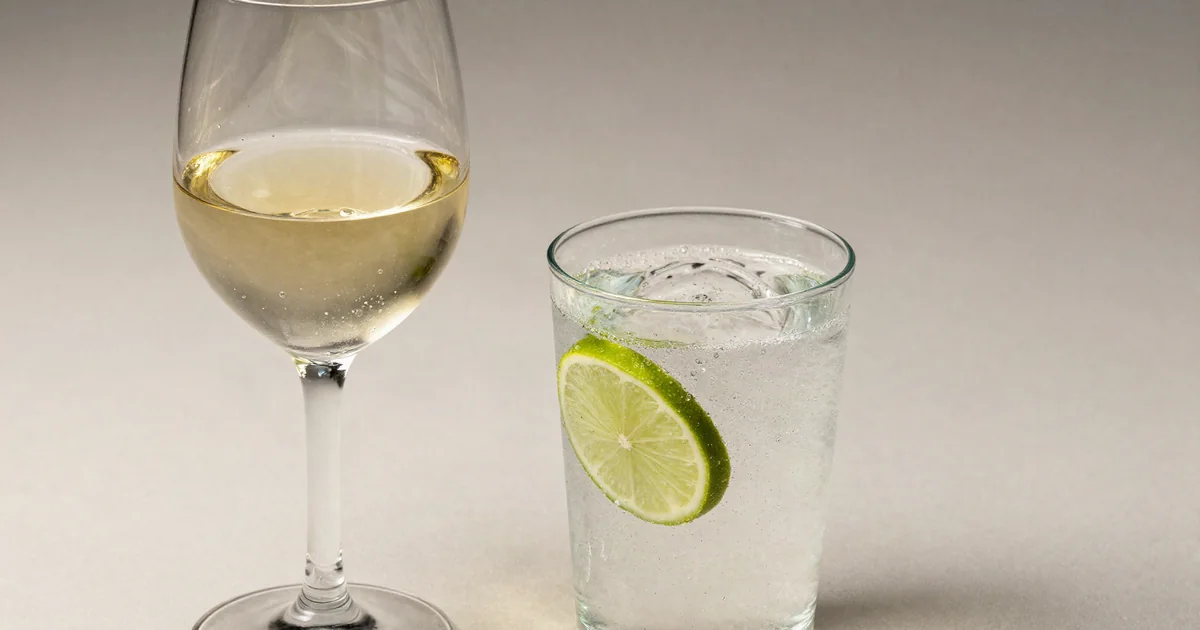
Quick answer: Most people with type 2 diabetes can drink in moderation, which means one drink a day or less for women and two or less for men, and the drinks that cost you least are dry wine, light beer and spirits with a diet mixer. The part that actually matters is not the drink, it’s the timing, because alcohol can pull your blood sugar down hours after the last glass, usually while you’re asleep.
I don’t drink much. A glass at a family dinner, a beer at a July job site thing, and that’s most of my year. So this isn’t an expert talking. It’s a man with type 2 diabetes, high blood pressure and stage 3b kidney disease who got tired of “just don’t” as the whole answer, because you can’t run that one in a room where everyone else is holding a glass.
What I learned is that alcohol is not a sugar problem first. It’s a liver problem first, and the sugar is the passenger.
Can I drink at all with diabetes?
In most cases yes, and the limit is a number, not a personality test. One drink a day or less for women, two or less for men. One drink means 12 ounces of beer, 5 ounces of wine, or 1.5 ounces of spirits. You don’t bank them and spend them all on Saturday.
The exceptions are real and they’re not soft:
- If your glucose is running high, or you’re getting lows, alcohol makes both worse. Wait until it’s stable.
- Medications interact, and metformin, insulin and sulfonylureas are the big three. So are some blood pressure and cholesterol drugs.
- If you have pancreatitis, high triglycerides, nerve damage or certain kidney problems, your doctor may tell you none at all.
With my kidneys I asked straight out and got a limit instead of a ban. Ask yours the same question and make them answer it in numbers.
Why does alcohol drop your blood sugar hours later?
Because your liver can only do one job at a time, and alcohol jumps the queue.
Between meals the liver keeps a small sugar tap open, dripping glucose into your blood so your brain has something to run on. Alcohol takes priority in the queue, because the body treats it as something to clear before anything else. While it’s clearing, that tap is mostly closed. So glucose can fall instead of rise, and it can keep falling for up to 24 hours after the last drink.
Which means the dangerous hour isn’t 11 p.m. at the table. It’s 3 a.m. in your own bed, and you don’t feel the early part when you’re asleep, so the low gets to run unchallenged. That’s not a scare, it’s where the risk sits. The warning signs of low blood sugar are worth reading once before you need them.
Which drinks cost me the least?
The alcohol itself isn’t the carb. The sugar riding on top of it is.
| Drink | Carbs | How I’d call it |
|---|---|---|
| Dry wine, red or white | about 4 g per 5 oz | Best all-round pick. Dry means the sugar was fermented out. |
| Spirits neat or on ice | 0 g | Fine by the numbers. Watch the pour and watch what comes after. |
| Spirits with diet mixer | 0 to 1 g | Same drink, no sugar load. Diet tonic, diet cola, soda water with lime. |
| Light beer | 3 to 6 g per 12 oz | A reasonable choice, and the word light is doing real work. |
| Regular beer | 10 to 17 g | Count it like bread, not like water. |
| Sweet cocktails | 20 to 40 g | Worst category. Syrup and juice stacked on alcohol. |
| Coolers and pre-mixed | 15 to 30 g | Looks like wine, behaves like pop. Read the label. |
| Creamy liqueurs | 13 g or more per shot, plus fat | Small glass, big sugar, easy to lose count. |
A margarita isn’t a drink, it’s dessert with a licence, and a glass of dry red at dinner is not the same event as four sweet ciders on a patio. If you’re on metformin, I wrote the long version of whether you can drink beer with metformin.
What do I actually do on a night I’m drinking?
A short protocol, and I follow it because the failure mode happens while I’m asleep and can’t correct anything.
- Eat first. A real meal with carbs, protein and fat, before the first glass. Not chips at the bar. Food slows the alcohol and stops the liver running on alcohol alone.
- One drink an hour. Your liver clears roughly one standard drink an hour no matter how fast you pour, so the extra ones just queue up.
- Water between drinks. Not virtue, plumbing. It stops me drinking the second one out of thirst.
- Test before bed, every time. If it’s under 5.6 mmol/L after a drink, many clinicians suggest a carb snack before sleeping. Ask yours what number applies to you.
- Tell one person. Slurred words and a stagger from a low look exactly like drunk, and everyone in the room will reach the wrong conclusion while you need juice.
- Carry fast sugar. Glucose tabs in a pocket and medical ID on you. It changes how a stranger treats a wobbly diabetic at midnight.
And if you feel off, test. Flushing and dizziness are on both lists, so there’s nothing to debate. Fifteen seconds ends the argument.
What about my medications?
This is a pharmacist conversation, not a blog conversation, so bring the bag.
Metformin. Occasional moderate drinking is generally considered acceptable. Heavy or regular drinking raises the risk of lactic acidosis, which is rare and serious, and that’s why the warning exists. If you’re a nightly drinker, that’s the conversation to have.
Insulin and sulfonylureas, glipizide, glyburide, glimepiride. These are the risky pairing, because they push glucose down while alcohol stops the liver bringing it back up, which is the exact recipe for the low above. If you take either, the bedtime check isn’t optional, it’s the whole plan.
Blood pressure medication. Alcohol widens vessels, so a pill and a drink can mean dizzy on standing, and a fall at 2 a.m. is a bad way to find out. Mine also sits next to my kidneys, which is another reason I keep it to one and stop.
Never stop or skip a medication to make room for a drink. That trade doesn’t work in any direction, and some of these drugs need to be tapered rather than dropped.
Alcohol belongs on the list of things to mention when your A1C and kidney tests come up — here are the tests and questions worth bringing to that appointment.
When to call your care team
- A low under 3.9 mmol/L after drinking, or one you treated that came back.
- Any low you slept through, or woke up sweaty and shaking from.
- A hangover morning reading over 13.9 mmol/L that won’t come down with water and time.
- Before you start drinking again if you’re on insulin or a sulfonylurea and you’ve had a low in the past month.
- If you can’t keep it to one, that’s a different conversation with a different professional, and it’s worth having out loud.
I won’t pretend I have this figured out past my own two glasses. What I have is a routine that lets me be in the room and still test at 3 a.m. if something feels off.
General information, not medical advice. My numbers are mine. Ask your care team before you change how you eat, test or take anything, and never stop a medication on your own.
Frequently asked questions
Can I drink at all with diabetes?
In most cases yes, and the limit is a number, not a personality test. One drink a day or less for women, two or less for men.
Why does alcohol drop your blood sugar hours later?
Because your liver can only do one job at a time, and alcohol jumps the queue. Between meals the liver keeps a small sugar tap open, dripping glucose into your blood so your brain has something to run on.
Which drinks cost me the least?
The alcohol itself isn't the carb. The sugar riding on top of it is. A margarita isn't a drink, it's dessert with a licence, and a glass of dry red at dinner is not the same event as four sweet ciders on a patio.
What do I actually do on a night I'm drinking?
A short protocol, and I follow it because the failure mode happens while I'm asleep and can't correct anything. Eat first.
What about my medications?
This is a pharmacist conversation, not a blog conversation, so bring the bag. Metformin. Occasional moderate drinking is generally considered acceptable.
Want the complete system?
This guide is based on Hardy's ebooks — plain-language, step-by-step PDFs you can read in one sitting. See all guides
Educational content only — not a substitute for advice from your doctor or pharmacist. Always work with your care team.