The 8 Best Fruits for Diabetes (With GI Numbers)
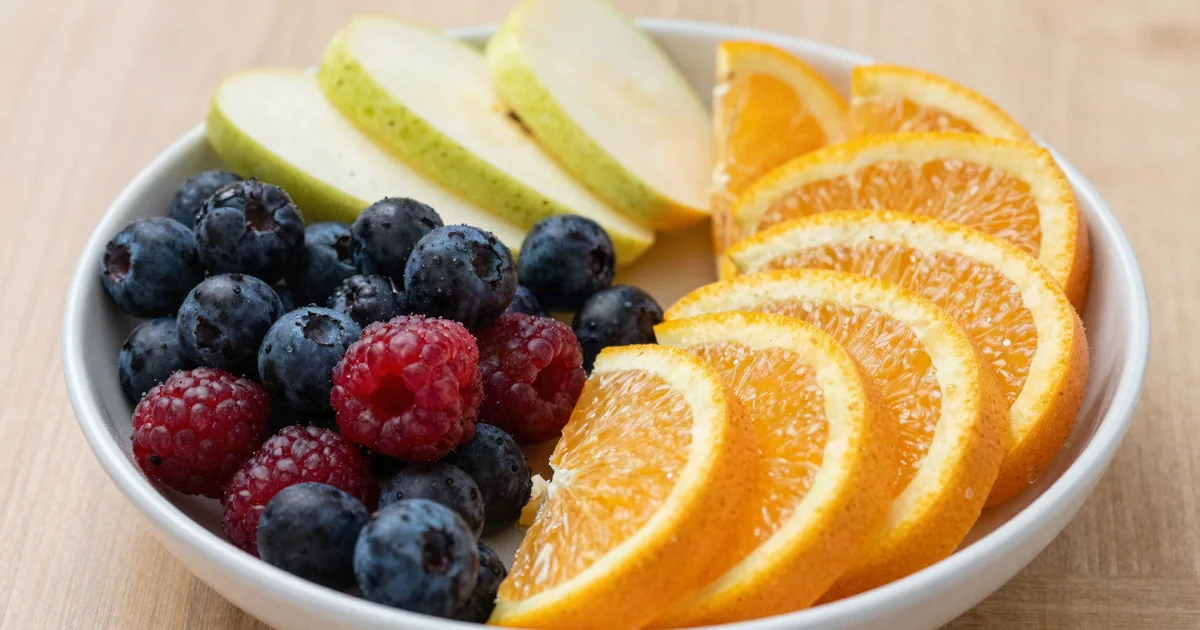
Quick answer: Yes, you eat fruit, and the ones that behave best are the low-GI ones: blackberries at 4, cherries at 20, grapefruit at 25, apples at 36, pears at 38, strawberries at 40, peaches at 42 and oranges at 43. The number matters less than the portion and what sits next to it on the plate, so put protein beside the fruit and test at the hour mark before you believe anyone, including me.
When I got the diagnosis I assumed fruit was finished. I spent a couple of months treating an apple like a grenade while still drinking juice at breakfast because juice had “no fat” on the carton.
Then I started writing numbers down. My A1C was 9 and it’s 6.5 now, I eat apples, berries and oranges most weeks, and the thing that changed wasn’t the fruit. It was the portion and the timing and what I stopped drinking.
What does the glycemic index actually measure?
It ranks carbohydrate foods from 0 to 100 by how fast they push blood sugar up, using a fixed amount of carbohydrate as the yardstick. Under 55 is low, 56 to 69 is medium, 70 and up is high.
What it does not do is tell you how much carbohydrate is in your serving, and people mix those two things up constantly. Watermelon has a high GI and a low carb load per slice. A small bowl of a medium-GI fruit can move you less than a big bowl of a low-GI one. GI is the shape of the curve, the portion is the height.
The number also moves with the fruit itself. A ripe banana scores higher than a firm one. Juice scores far higher than the whole fruit because the fiber that was slowing everything down has been removed and thrown in a bin. If you want the longer explanation, glycemic index explained covers the load maths.
The eight that behave, ranked by GI
1. Blackberries, GI 4. The lowest on the list by a mile. A cup is around 60 calories with roughly 8 grams of fiber, and that fiber is why the number is what it is. I eat them with plain Greek yogurt, mostly because yogurt alone doesn’t hold me until lunch.
2. Cherries, GI 20. Half a cup is about 12 grams of carbohydrate. The catch is that cherries are a bowl food, and a bowl is four servings if you’re not looking. Fresh or frozen, not the syrup kind, which is a dessert pretending to be fruit.
3. Grapefruit, GI 25. Half a grapefruit is around 13 grams of carbohydrate, tart enough that most people don’t sweeten it, which keeps the count honest. Check this one against your prescriptions, because grapefruit interacts with several common drugs including some statins and some blood pressure medicines. One phone call to the pharmacist settles it.
4. Apples, GI 36. About 4 grams of fiber with the skin on, and the skin is the part doing the work. Firmer, tarter varieties sit lower than the soft sweet ones. A tablespoon of peanut butter next to it kills the three o’clock crash better than anything I’ve bought in a wrapper.
5. Pears, GI 38. Around 6 grams of fiber each with the skin, one of the highest of the common fruits.
6. Strawberries, GI 40. A cup is about 11 grams of carbohydrate and more vitamin C than an orange. Frozen unsweetened ones cost half as much in February and behave the same on the meter.
7. Peaches, GI 42. A medium peach is roughly 15 grams. Fresh beats canned every time, because canned usually means heavy syrup, and syrup can double or triple the load. If canned is what you can afford, get the water-packed ones and drain them.
8. Oranges, GI 43. About 15 grams of carbohydrate and 3 grams of fiber in a whole one. Notice that the orange is on this list and the orange juice is not. A cup of juice carries the sugar of two or three oranges with none of the fiber that slows it, so it lands like a soft drink with a picture of fruit on it.
So what actually moves my numbers?
Pairing, mostly, and I learned it the boring way. Fruit on its own at four in the afternoon is a rise. Fruit after a meal, or with yogurt, cottage cheese, nuts or an egg, is a much flatter line, because protein and fat slow delivery down.
Portion is the other half. Two or three servings a day, spread out, is where most people land: a cup of berries, a medium apple, half a grapefruit. That’s not a rule, it’s a starting point you correct with your meter.
And ripeness is real. A soft, sweet pear pushes me higher than a firm one from the same bag, and no label tells you which one you’re holding.
Which fruit still catches me?
Watermelon, every summer, and I keep testing it anyway like the result might change. High GI at 76, but the carb density per slice is moderate, so a small wedge after a meal is a different event from a big bowl on an empty stomach at a barbecue. I wrote the testing notes up in can diabetics eat watermelon because I got tired of repeating it to myself.
Pineapple, GI 66, same story: sweet, fast, easy to over-serve. Half a cup with protein beside it is not the same meal as a pile of it alone.
Dried fruit is the one I’d warn you about, and I say that as someone who used to keep raisins in the truck. A quarter cup of raisins is roughly the carbohydrate of a whole apple, and it takes forty seconds to eat. The details are in can diabetics eat dried fruit, including why the serving size on the box is not the serving size in your hand.
How do I know which fruit works for me?
You test it at the hour, then again at two.
My own pattern is boring and consistent: fasting sits around 4 to 5 mmol/L, an hour after eating it climbs to about 8, and by two hours it’s usually under 6. That one-hour climb is the window where a fruit shows what it’s doing. If a new fruit puts me well above the pattern I already know, the portion was wrong or the pairing was missing, and I fix the portion before I ban the food.
Then I walk, because the walk does more than any single swap on this page. Ten thousand steps a day and a walk after every meal is the change that moved my post-meal numbers more than any fruit I gave up or kept.
When to call your care team
Nothing on this page treats anything. Fruit is food, not medicine, and if your readings are running high the answer is a conversation about the whole pattern, not one more thing to cut.
Call your care team if your two-hour readings stay above the range they gave you for a couple of weeks, if your A1C has gone up since your last test, or if you’re losing weight without trying.
There’s one kidney-specific thing worth raising: with CKD, some fruits are also potassium sources, and depending on your labs the list of “good” fruits can look different from a diabetes list. Ask before you build a daily habit around bananas, oranges or dried fruit. Your labs decide that, not an article.
And if you take any prescription at all, ask about grapefruit before it becomes your breakfast.
General information, not medical advice. Your targets, your portions and your safe fruit list come from your care team and your own numbers, not from a ranking on the internet.
Frequently asked questions
What does the glycemic index actually measure?
It ranks carbohydrate foods from 0 to 100 by how fast they push blood sugar up, using a fixed amount of carbohydrate as the yardstick.
So what actually moves my numbers?
Pairing, mostly, and I learned it the boring way. Fruit on its own at four in the afternoon is a rise.
Which fruit still catches me?
Watermelon, every summer, and I keep testing it anyway like the result might change. High GI at 76, but the carb density per slice is moderate, so a small wedge after a meal is a different event from a big bowl on an empty stomach at a barbecue.
How do I know which fruit works for me?
You test it at the hour, then again at two. My own pattern is boring and consistent: fasting sits around 4 to 5 mmol/L, an hour after eating it climbs to about 8, and by two hours it's usually under 6.
Want the complete system?
This guide is based on Hardy's ebooks — plain-language, step-by-step PDFs you can read in one sitting. See all guides
Educational content only — not a substitute for advice from your doctor or pharmacist. Always work with your care team.