12 Hidden Sodium Bombs: More Salt Than Chips
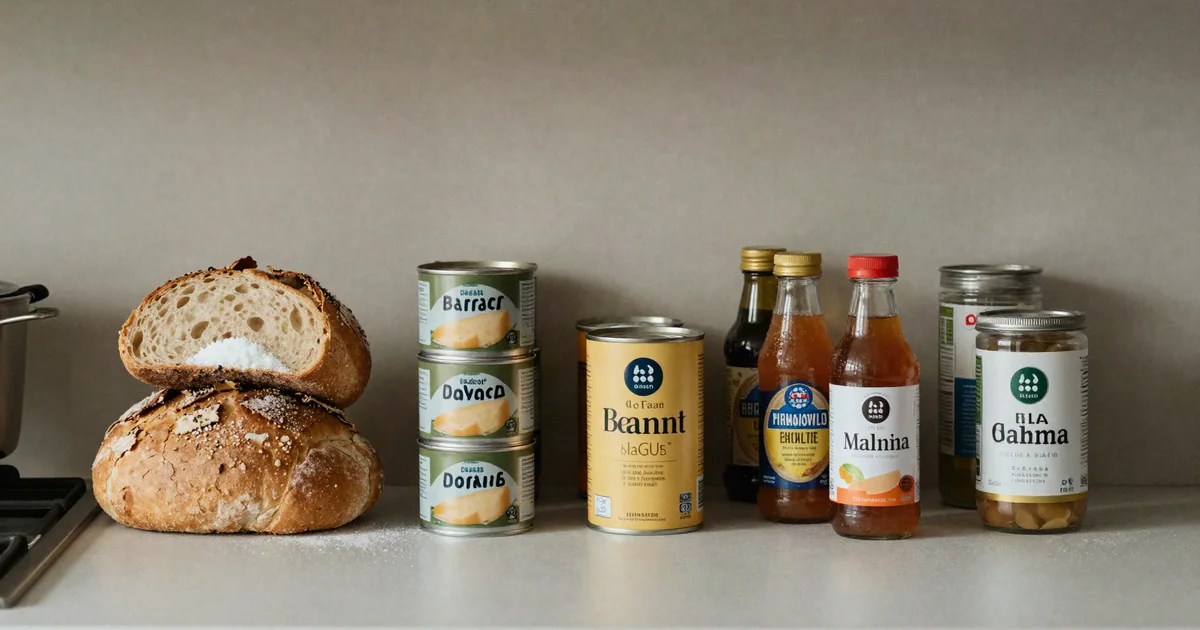
Quick answer: A serving of chips runs roughly 150 to 200 mg of sodium, which is modest as salty snacks go, and a cup of cottage cheese, a bowl of canned soup or two slices of bread can each carry two to four times that. Chips get the blame because they taste salty, and the foods that actually load your day are the ones that taste like bread, cheese, soup or sauce.
When I started watching sodium for my blood pressure and my kidneys, I did what everyone does. The chips went first. They were not the problem.
I’m not being clever about this. I removed the loudest thing in the cupboard, felt virtuous for a month, and my readings barely moved, because the salt was arriving in a sandwich, a bowl of soup and a spoon of sauce, three times a day, in foods I’d have called normal. That’s the whole trick. Salt hides in things that never taste salty, because in those foods salt is a preservative and a structure builder, not a flavor.
The guideline for most adults is about 2,300 mg a day, roughly a teaspoon of salt, with something closer to 1,500 mg for people managing high blood pressure. A deli sandwich, a can of soup and two slices of pizza gets you past 2,300 without touching a shaker. These are the twelve that out-salt a bag of chips. Every number is approximate, because brands vary and the label in your hand beats anything on this page.
If you want the actual number for one packet before you buy it, the Snack Checker reads a barcode and shows sodium, sugar and salt per 100 g — no signup, no email.
The twelve that carry more salt than chips
1. Bread and rolls. One slice is roughly 100 to 200 mg, and nobody eats one slice. A sandwich plus a roll at dinner can put 500 to 700 mg on your day, and bread doesn’t taste salty at all, so it never gets counted. The swap: read two labels in the bread aisle and take the lower one. That habit alone saves hundreds of milligrams a week.
2. Cottage cheese. Half a cup carries roughly 350 to 450 mg, and a full bowl can pass 700. It reads as health food, which is why it slides past suspicion. The swap: low-sodium or no-salt-added versions, or plain Greek yogurt where the recipe allows, which does the same creamy job for a fraction of the salt.
3. Canned soup. One cup of many canned soups runs 400 to 800 mg, and most people pour the whole can, which is two servings, into one bowl. The swap: cans marked low sodium, at 140 mg or less a serving, or a pot made at home where you’re holding the salt.
4. Deli meat and cured meats. Two ounces of ham, turkey, salami or roast beef is roughly 300 to 600 mg, and a real sandwich portion is bigger than two ounces. Curing is literally a salt process. The swap: leftover chicken or roast beef from home, or thinner slices of a lower-sodium label.
5. Sauces, dressings and condiments. A tablespoon of ketchup is 150 to 170 mg, dressings run 200 to 300 mg a serving, and soy sauce can pass 900 mg in one tablespoon. Nobody measures a tablespoon. The swap: sauce on the side. Dip instead of pour, use a third as much, and can’t taste the difference. More on that in the two numbers in every restaurant sauce.
6. Pizza. Two slices of takeout or frozen pizza run 500 to 1,000 mg from four directions at once: crust, sauce, cured toppings and cheese. The swap: build it at home with plain tomato, fresh mozzarella and vegetables, or stop at two slices. Two is a portion. Four is a decision.
7. Breakfast cereal. A cup of many boxed cereals is 150 to 300 mg, and granola and flavored oatmeal packets sit at the top of that range. It tastes sweet, so nobody files it under salt. The swap: plain oats cooked at home, which carry close to none of it. Add fruit and you’re ahead of the packet on both salt and sugar.
8. Canned vegetables and beans. Half a cup of a standard can is 200 to 400 mg and almost all of it comes from the liquid, because the vegetable itself is nearly sodium-free. The swap: no-salt-added cans, or drain and rinse properly. Frozen plain vegetables carry almost none.
9. Processed cheese slices. One slice of American-style processed cheese is 300 to 400 mg, often double natural cheddar, and a sandwich usually gets two. The swap: a naturally aged cheese like Swiss, which is among the lowest-sodium natural cheeses, sliced thin and treated as a topping instead of a filling.
10. Tomato sauce. Half a cup of standard jarred pasta sauce is 400 to 600 mg. Tomatoes are naturally low in sodium, so all of that arrived in the jar. The swap: no-salt-added versions, then garlic, basil and a small pinch of salt at home.
11. Pickles and olives. One dill spear holds about 300 mg, a whole pickle can pass 1,000, and five olives are around 200. The swap: treat them as condiments, and rinse the olives.
12. Restaurant and deli soup. A bowl can carry 800 to 1,500 mg, most of a day’s ideal limit before your main arrives. The swap: order soup as the meal, not as a starter on top of a full dinner, or swap it for a side salad. The lower-sodium restaurant playbook handles the whole order rather than one bowl.
How do I spot this without memorizing numbers?
You don’t memorize anything. The label does it in one line.
Look at the percent Daily Value for sodium. Five percent or less per serving is low. Twenty percent or more is high. Anything in between is a middle food, worth counting against the rest of your day rather than banning.
The percentage is already measured against 2,300 mg, so a frozen dinner showing 35 percent tells you that one meal took a third of the day. Two slices of bread at 8 percent each is 16 percent before anything goes between them.
The other habit that changed my shopping is simpler. I buy single-ingredient things now, because a food with one ingredient on it can’t hide a paragraph of additives. Chicken, rice, vegetables, eggs.
Potassium-based salt substitutes are the one swap I’d never make alone, because potassium is a real problem with reduced kidney function.
Where does the salt actually come from in a day?
Mostly from food someone else made. That’s the finding behind every sodium study, and why cooking at home moves numbers.
So the short version: stop buying your four most-eaten packaged foods, and replace each with the lower-sodium version of the same thing. Bread, soup, sauce, deli meat. That’s more salt than the chips ever were.
When to call your care team
- A blood pressure reading at or above 180/120, or any reading with chest pain, breathlessness, weakness on one side or trouble speaking. That’s emergency services.
- New swelling in the legs or around the eyes, or several pounds of weight gain in a few days, because that can be fluid and it needs a person.
- If you’re on a diuretic or have kidney disease and you get lightheaded, cramped or unusually weak after cutting salt hard, because the change may have been more than your body wanted at once.
- Before you start a salt substitute, a potassium chloride product or any “low-sodium” salt, since those are potassium and your kidneys get a vote.
- If your home readings haven’t moved in a month of honest label reading, that’s a medication conversation, not a failure.
Source: sodium per serving from USDA FoodData Central; the 5% rule is the FDA Nutrition Facts guidance — 5% DV or less of a nutrient per serving is low, 20% or more is high (sodium DV 2,300 mg).
General information, not medical advice. My numbers are mine. Ask your care team before you change how you eat, test or take anything.
Frequently asked questions
Which foods carry more sodium than a bag of chips?
A serving of chips runs roughly 150 to 200 mg of sodium, which is modest as salty snacks go, and a cup of cottage cheese, a bowl of canned soup or two slices of bread can each carry two to four times that. Bread, soup, sauce and deli meat matter most.
How can I spot a high-sodium food without memorizing numbers?
You don't memorize anything. Look at the percent Daily Value for sodium: five percent or less per serving is low, twenty percent or more is high. Anything in between is a middle food, worth counting against the rest of your day rather than banning.
How much sodium is actually in bread?
One slice is roughly 100 to 200 mg, and nobody eats one slice. A sandwich plus a roll at dinner can put 500 to 700 mg on your day, and bread doesn't taste salty at all, so it never gets counted. Reading two labels and taking the lower one saves hundreds of milligrams a week.
Are canned vegetables and beans high in sodium?
Half a cup of a standard can is 200 to 400 mg and almost all of it comes from the liquid, because the vegetable itself is nearly sodium-free. The swap is no-salt-added cans, or drain and rinse properly. Frozen plain vegetables carry almost none.
Are potassium salt substitutes safe with kidney disease?
Potassium-based salt substitutes are the one swap I'd never make alone, because potassium is a real problem with reduced kidney function. Before you start a salt substitute, a potassium chloride product or any low-sodium salt, your kidneys get a vote.
Want the complete system?
This guide is based on Hardy's ebooks — plain-language, step-by-step PDFs you can read in one sitting. See all guides
Educational content only — not a substitute for advice from your doctor or pharmacist. Always work with your care team.