White Coat Hypertension: When Your BP Is High Only at the Doctor
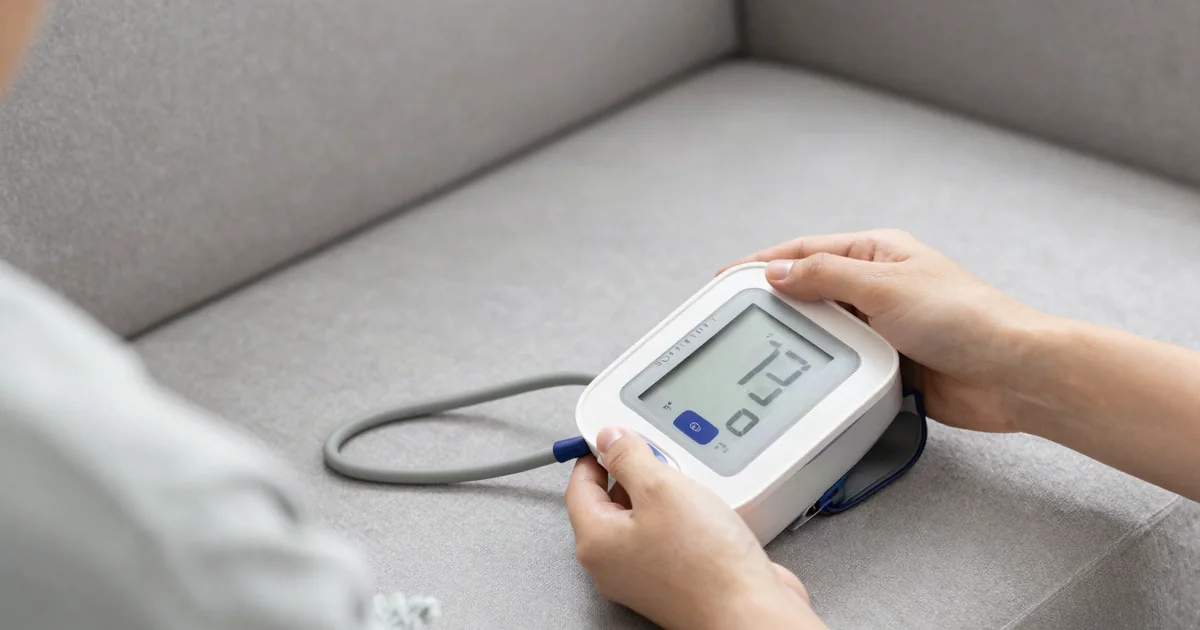
Quick answer: White coat hypertension is blood pressure that reads high in a clinic and normal at home, and the reading is high because the visit itself is a stress event, not because the cuff is broken. It isn’t the same as having high blood pressure, and it isn’t nothing, it means you carry a higher chance of developing the real thing later, so it gets watched, not treated blind.
I started measuring at home because the office numbers made no sense to me. Same arm, same machine class, same me, and the numbers were two different people depending on the room I was sitting in.
That gap is the whole subject, and once you understand what the gap is made of, the appointment gets a lot less confusing.
What is white coat hypertension?
It’s a pattern, not a disease. Your home average sits in the normal range and your clinic readings come out above the line, consistently, visit after visit.
The name points at the coat, but the coat is doing nothing. What’s happening is your body’s alarm response, adrenaline goes up when you walk into a medical building, and adrenaline tightens the pipes and speeds the pump and up goes the pressure. Most people with this pattern will tell you they felt completely calm in the room. They probably did. Adrenaline doesn’t consult you about your mood, it responds to the situation, and a medical appointment is a situation whether you’re worried or not.
That’s the first reclassification: it’s not that you’re anxious, it’s that your body reads a clinic as a place where something might happen to you. Ten to twenty points is common and it happens to people who feel fine.
How is it different from the white coat effect?
The effect is the small bump almost everybody gets in a clinic. That’s normal and it doesn’t mean anything by itself.
White coat hypertension is the effect big enough to push you over the diagnostic line while your home average stays normal. Same mechanism, different size, and the size is what makes it a diagnosis with follow-up attached instead of a shrug.
The mirror image is the one that scares me more: masked hypertension. Numbers that look fine in the office and run high at home. That pattern hides the disease instead of exaggerating it, and it’s why a doctor who only ever sees your office number is working with half the picture.
How do I prove which one I have?
You stop relying on the office. That’s the entire method.
The usual first step is seven days of home readings, morning and evening, at roughly the same times, sitting quietly for five minutes first with your back supported and your feet flat and your mouth shut. Write every number down with the time. After a week you have an average your doctor can compare against the clinic reading, and the size of the gap tells the story: a big gap is white coat, no gap is real hypertension that needs treatment.
The second option is a 24-hour ambulatory cuff, which measures through the night and catches things a home cuff can’t. It’s the better picture and it isn’t always available, so home monitoring is usually where you start.
Technique matters more than people think, because bad technique creates a gap that isn’t real. Cuff too small, arm hanging, talking through the reading, coffee ten minutes before, any of that and you’ve measured nothing worth comparing. How to read your blood pressure at home correctly is the setup, and what counts as normal at home matters because home thresholds are lower than office ones.
Bring the log, not the memory of the log. Fourteen written readings carry weight. Fourteen half-remembered ones carry none.
So is it dangerous or not?
Two halves. Both true.
The reassuring half: your heart and arteries are not sitting at elevated pressure around the clock, so the risk is much lower than sustained hypertension, and most people with this pattern don’t need medication.
The caution half: it isn’t a free pass. People with untreated white coat hypertension are more likely than others to end up with sustained hypertension later, and some research puts their cardiovascular risk modestly above people with fully normal readings, though well below the treated-hypertension group. Think of it as a flag on your file, not a diagnosis of danger.
The half nobody warns you about is the overtreatment side. If a doctor treats the office number and ignores your normal home average, you can end up on a dose you don’t need, and then you’re dizzy on the stairs carrying a filtration housing and that’s its own kind of risk. That’s the fire in one room while another one starts.
Who needs to take it more seriously?
If you’re older, if you have diabetes or kidney disease, if you’ve already had a stroke or a heart event, or if your home numbers have started creeping up over months, your doctor will weigh the pattern differently. Same reading, different weight, the plumbing has already been through something.
I’m in that group, type 2 diabetes, high blood pressure and stage 3b kidney disease all sitting on the same chart, so my pattern gets watched rather than filed. That’s not fear talking. It’s the same reason I check my own numbers daily instead of twice a year: the cheap test tells you what the expensive appointment would have told you four months later.
What do I bring to the appointment?
- Seven days of readings, morning and evening, each with a time. Fewer days and the average gets shaky.
- The conditions, seated, back supported, feet flat, five quiet minutes first, no coffee, no talking.
- The cuff, wrist or upper arm, and whether it’s validated. Device quality is a real variable, not a detail.
- The outliers, and what caused them: a bad night, a rushed morning, a fight on the phone. Your doctor needs to know which readings to trust.
Never kept a log? Start tonight. Seven days from now you’ll have the thing that changes the conversation from “your pressure is high” into “your pressure is high in this building and normal everywhere else,” and those are two very different sentences.
When doctors treat it anyway
Sometimes the plan is treatment even with a good home average, and it’s not a punishment for one bad reading:
- You carry other major risk factors, diabetes, kidney disease, existing heart disease, a previous stroke.
- Your overall cardiovascular risk score is elevated on age, cholesterol and smoking history.
- Ambulatory testing turns up masked hypertension on recheck.
- Your home numbers are drifting up across months of logs, even inside the range.
Often the “treatment” is just a plan: repeat the monitoring in three to six months, keep logging, watch for drift. That’s a follow-up, not a prescription.
When to call your care team
Call if your home average climbs above your usual range and stays there for a week or more, if you get headaches with a very high reading, chest pain, shortness of breath, or vision changes, those are same-day calls, and chest pain or one-sided weakness is an emergency call, not a same-week one. Also call if you’re already on medication and you’re dizzy on standing, because that’s a dosing conversation and only your prescriber can have it. Never stop or halve a blood pressure pill on your own; the rebound is worse than the number you were worried about.
Source: 2017 ACC/AHA high blood pressure guideline — white coat hypertension is office BP in the hypertensive range with out-of-office readings outside it; the guideline advises home or ambulatory monitoring to catch the shift to sustained hypertension, which runs about 1–5% a year.
General information, not medical advice. What counts as high for you, and whether a white coat pattern needs treatment, is a decision for your care team with your log in front of them.
Frequently asked questions
What is white coat hypertension?
It's a pattern, not a disease. Your home average sits in the normal range and your clinic readings come out above the line, consistently, visit after visit.
How is it different from the white coat effect?
The effect is the small bump almost everybody gets in a clinic. That's normal and it doesn't mean anything by itself.
How do I prove which one I have?
You stop relying on the office. That's the entire method. The usual first step is seven days of home readings, morning and evening, at roughly the same times, sitting quietly for five minutes first with your back supported and your feet flat and your mouth shut.
So is it dangerous or not?
Two halves. Both true. The reassuring half: your heart and arteries are not sitting at elevated pressure around the clock, so the risk is much lower than sustained hypertension, and most people with this pattern don't need medication.
Who needs to take it more seriously?
If you're older, if you have diabetes or kidney disease, if you've already had a stroke or a heart event, or if your home numbers have started creeping up over months, your doctor will weigh the pattern differently.
What do I bring to the appointment?
Seven days of readings, morning and evening, each with a time. Fewer days and the average gets shaky. The conditions, seated, back supported, feet flat, five quiet minutes first, no coffee, no talking.
Want the complete system?
This guide is based on Hardy's ebooks — plain-language, step-by-step PDFs you can read in one sitting. See all guides
Educational content only — not a substitute for advice from your doctor or pharmacist. Always work with your care team.