Does Insurance Cover Diabetes Supplies? Plain Answers
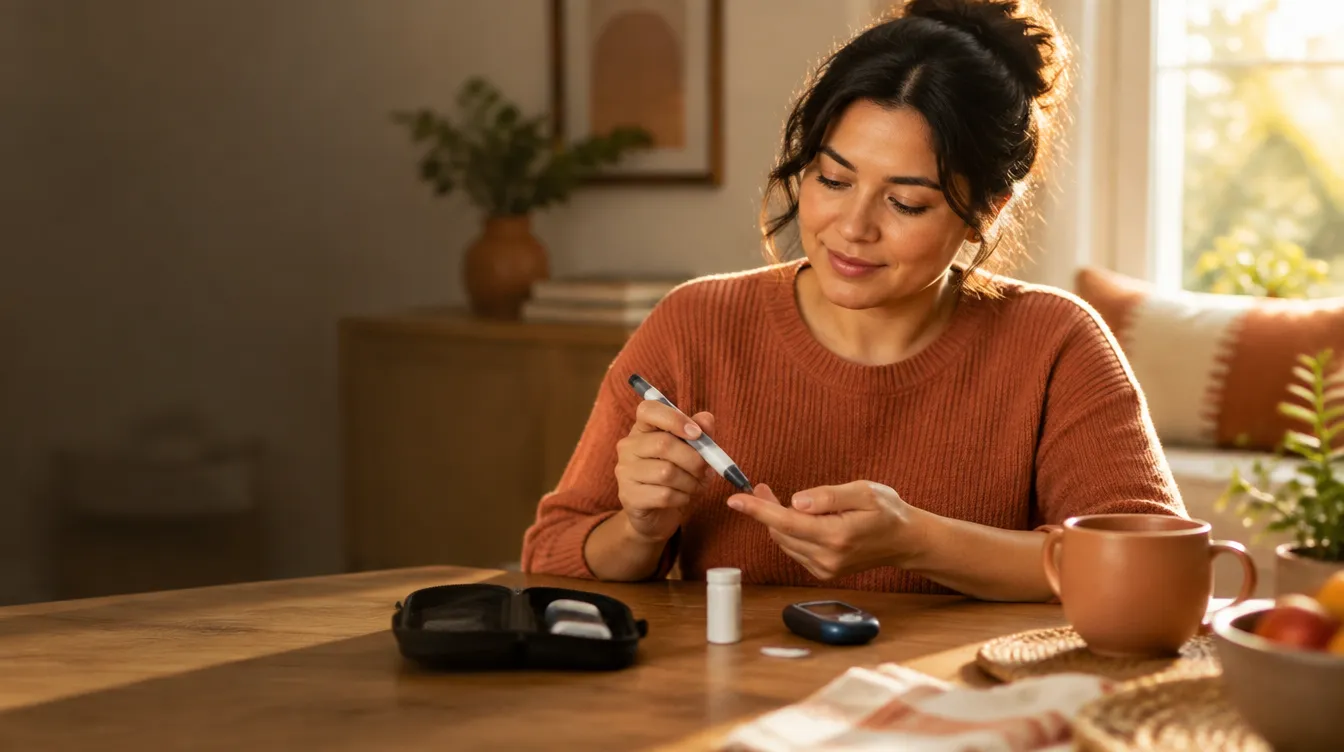
Quick answer: coverage is real but specific: meters and strips are usually covered under a pharmacy benefit with quantity limits, CGMs and pumps often need prior authorization with documented need, and every plan has a preferred-brand list. The people who pay the least are the ones who ask three specific questions before buying: what’s covered, in what quantity, and at which brands.
The pharmacy counter is where diabetes budgets are won or lost. Two people with the same diagnosis can pay wildly different amounts for the same supplies — the difference is almost never luck. It’s paperwork.
This guide walks through how coverage actually works for meters, strips, CGMs, and pumps, and the exact steps to take before you pay full price. Everything here is educational and works alongside the guidance your care team has given you; their prescriptions and instructions always come first.
What does coverage typically include?
Quick answer: basic testing supplies and medications are usually covered under a pharmacy or drug benefit; CGMs and pumps usually fall under durable medical equipment and often need prior authorization. Preferred brands are covered best — off-list brands cost you more or get denied.
A typical coverage map:
| Item | Usually covered? | The catch |
|---|---|---|
| Glucose meter | Yes | Must be on the plan’s brand list |
| Test strips | Yes | Monthly quantity limits |
| Lancets, lancing devices | Yes | Same quantity limits |
| CGM sensors | Often | Prior authorization, documented testing need |
| Insulin pump | Sometimes | Prior authorization + documented intensive therapy |
| Medication | Yes | Formulary tiers — preferred drugs cost less |
Notice the pattern: everything is covered until it isn’t, and the turn is always at brand lists, quantity limits, or documentation. Knowing your plan’s version of those three answers most cost questions in advance.
What is prior authorization — and when do you need it?
Quick answer: prior authorization is your doctor asking the insurer for permission, with evidence, before the expensive item is covered. CGMs and pumps almost always need it; the approval rides on documented blood sugar logs and your care team’s supporting note.
If your care team recommends a CGM or pump, the paperwork starts with them, but you can make it sail:
- Keep your logs. Two to four weeks of readings (meter or app export) is the evidence insurers look for. Related: Dinner Window for Better Sleep and Steadier Blood Sugar walks through this step by step.
- Ask what the insurer needs. Your care team’s office handles these regularly — one question to the front desk tells you the checklist.
- Submit before buying. Don’t pay cash “to start sooner” and chase reimbursement after — approvals are granted prospectively, not retroactively.
Denials happen, and most are about missing documentation, not about the device being inappropriate. Ask for the denial reason in writing; that sentence tells you exactly what to add to the resubmission.
What about provincial or public coverage?
Quick answer: if you’re in Canada, provincial drug programs may cover supplies under their own rules — income-based, age-based, or condition-based. Check your province’s diabetes program directly; it stacks with or replaces private coverage depending on your situation.
Public programs often cover what private plans don’t, with different brand lists and quantity rules. The practical move: know both. Your pharmacy’s billing desk handles these combinations daily — asking “how would this bill under both my private plan and the provincial program?” is a normal question that routinely saves hundreds a year.
The five calls that lower your bill
Quick answer: call your insurer about brands and limits, your pharmacy about billing both plans, your care team’s office about prior authorization status, the device maker about patient assistance programs, and your benefits provider about a claims pre-check.
- Insurer: “Which meter and strip brands are on my preferred list, and what’s my monthly quantity limit?”
- Pharmacy: “Can you bill my private plan and the provincial program together on this?” Related: Do Diabetes Multivitamins Work? What the Evidence Actually Says walks through this step by step.
- Doctor’s office: “Where is my prior authorization in the process — anything missing from it?”
- Device manufacturer: every major CGM and pump company runs a patient assistance program; one call finds out if you qualify.
- Benefits portal: run a coverage check on the exact item before purchase — most insurers can price a claim in advance.
What if a claim gets denied?
Quick answer: read the denial reason, fix the specific gap (usually documentation or a brand-list issue), and resubmit — most denials turn around on appeal. Meanwhile, ask the device maker for a bridge program so you’re not paying cash in the gap.
One denial is a paperwork event, not a verdict. Between appeal timelines, provincial programs, and manufacturer assistance, very few genuinely needed supplies stay uncovered.
Everything in this guide is educational and works alongside the guidance your care team has given you. Their prescriptions set the medical side; this guide just makes sure the billing side keeps up.
Related reads
- Buying Diabetes Test Strips Online Without Getting Burned
- Insulin Pumps Explained in Plain Language: Types, Smart Features, and Who Qualifies
- How to Choose a Glucose Meter Without Overpaying
- What Is Type 2 Diabetes, in Plain Kitchen Language
This guide is also available in Spanish: ¿El seguro cubre los insumos de diabetes? Un recorrido en.
Frequently asked questions
What does coverage typically include?
Quick answer: basic testing supplies and medications are usually covered under a pharmacy or drug benefit; CGMs and pumps usually fall under durable medical equipment and often need prior authorization.
What is prior authorization — and when do you need it?
Quick answer: prior authorization is your doctor asking the insurer for permission, with evidence, before the expensive item is covered.
What about provincial or public coverage?
Quick answer: if you're in Canada, provincial drug programs may cover supplies under their own rules — income-based, age-based, or condition-based.
What if a claim gets denied?
Quick answer: read the denial reason, fix the specific gap (usually documentation or a brand-list issue), and resubmit — most denials turn around on appeal.
Want the complete system?
This guide is based on Hardy's ebooks — plain-language, step-by-step PDFs you can read in one sitting. See all guides
Educational content only — not a substitute for advice from your doctor or pharmacist. Always work with your care team.