Dining Out with CKD: What to Order Without the Salt Math
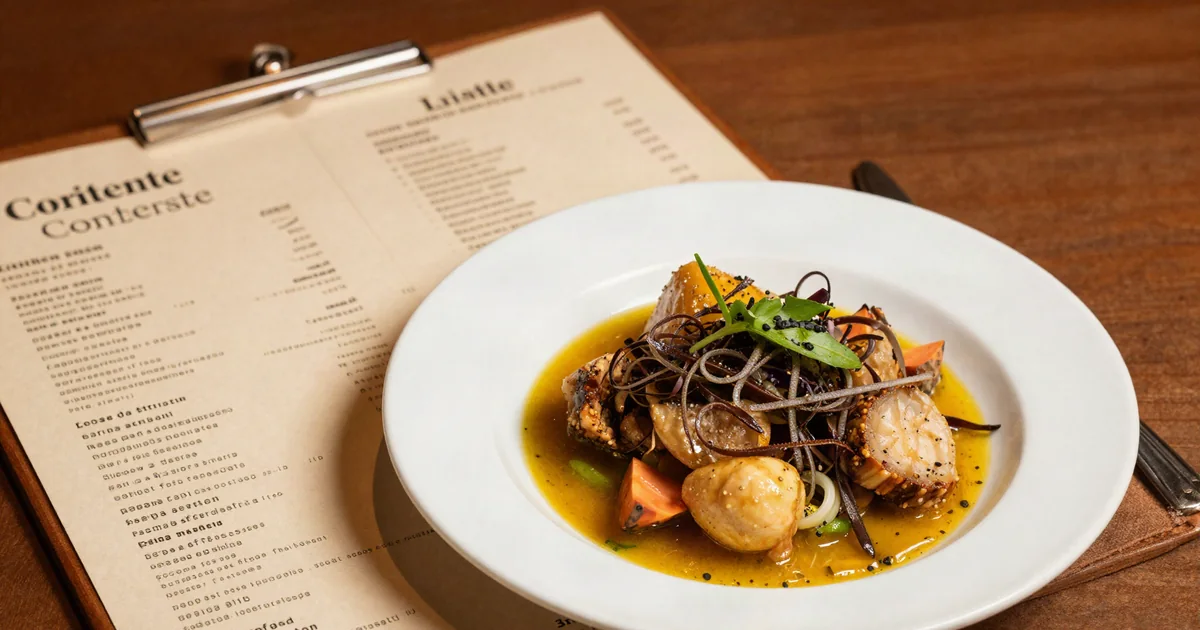
Quick answer: Order plainly, a grilled or baked protein with no marinade, one calm side, sauce on the side, water in the glass, and the plate usually comes in under the salt you were going to get anyway. The salt in a restaurant is not in the food, it’s in everything they did to the food before it reached you.
I read the whole menu before I order. Not because I’m careful by nature, because I install water filtration systems for a living, I spend sixteen hours on my feet some days, and one salt bomb puts my ankles back where they were in March. My wife orders in ninety seconds. I’m still on page two.
Eating out was never the problem I thought it was. The problem was that I didn’t know where the salt came in.
When the label is the question, the barcode checker answers it in one scan — per 100 g, no signup.
Where is the salt actually in a restaurant meal?
It’s in the sauces, the marinades, the soups and the cured meats. That’s the list. Not the chicken, not the vegetables, not the rice.
A plain grilled chicken breast is a low-sodium food. The same breast after a brine, a rub and a glazed finish can carry 900 mg before the sauce arrives in a little jug beside it, and then you’re at 1,200 mg and you haven’t picked up your fork. Restaurant kitchens salt early and salt deep because it’s the cheapest way to make food taste like something, and none of that shows on a menu.
So the reclassification is this: it’s not that restaurant food is salty, it’s that restaurant preparation is salty. That difference is your whole ordering strategy. Anything the kitchen did ahead of time, brining, marinating, curing, simmering into a stock, reducing into a glaze, is where the number lives. Anything cooked plain in front of you is where you get control back.
What about potassium and phosphorus?
Potassium rides on the sides, and it’s quieter than salt because nobody at the table notices it. Baked potatoes, sweet potatoes, beans, cooked greens, tomato-based anything, squash, bananas in the dessert, all carriers. Rice, plain pasta, steamed green beans, carrots, a garden salad, an apple, the calmer ones.
Here’s how I handle it. I don’t refuse potassium at every meal, because then I’d be refusing vegetables and what am I eating. I put the potato on my wife’s plate and take the rice. One swap, no math.
Phosphorus is the invisible one, and it’s the one I’d flag hardest if you’re stage 3b like me. Phosphorus that occurs naturally in food is only partly absorbed, but phosphorus additives absorb almost completely, and they’re in everything a restaurant kitchen touches, processed cheese sauces, dark cola, commercial marinades, breading mix, deli meat. You can’t read a label at a table. You avoid them by category: fresh protein, simple sides, water.
Your nephrologist or dietitian will tell you which of those three is actually yours. Sodium comes first for me, then phosphorus, with potassium as a standing background check. Yours might be a different order and it’s worth knowing before you’re seated. Which foods move the potassium number in stage 3 is where that conversation starts.
What do I order at each kind of restaurant?
You need one default order per cuisine, then you stop thinking.
Steakhouse or grill. The easiest room in the building. Grilled steak, chicken or fish, one vegetable, one starch. I say it exactly like that: “Grilled, no rub, no marinade, sauce on the side.” Swap the baked potato for rice or double vegetables. Skip the soup that comes with it, that’s a 900 mg bowl of nothing.
Italian. Red sauce and alfredo are salt delivery systems. Grilled chicken or fish with plain pasta or roasted vegetables is on nearly every menu in the country. Skip the parmigiana, the cured-meat antipasto and the cheese-stuffed anything. One piece of bread is fine. The herbed butter and the third refill are not.
Sushi. Soy sauce is the entire problem, one tablespoon can carry close to 900 mg of sodium and most people use four. Order sashimi or plain nigiri, use wasabi alone or ask for low-sodium soy and dip the fish edge, never the rice. Skip the tempura, the spicy mayo, the sauce-draped rolls and the miso soup.
A diner at 8 p.m. The giant menu is your friend, because plain cooking is always on it. Eggs, toast, fruit. Grilled chicken sandwich, no seasoning salt, fruit instead of fries. Breakfast for dinner is one of the better kidney orders in North America and nobody has to know why you did it.
Every one of those is the same order wearing different clothes: plain protein, one calm side, sauce on the side, water. If you want the arithmetic behind it, how to build a lower-sodium restaurant order walks it plate by plate, and sauces are where two numbers get decided is the shorter version, sodium and sugar both.
What do I actually say to the server?
Three sentences. They hear them every shift and nobody minds.
- “Can the kitchen grill that plain, no seasoning salt, no marinade?” This removes the single biggest sodium source on the plate.
- “Can the sauce and dressing come on the side?” On the side means you control the dose. Dip the fork, not the food, and a 300 mg sauce becomes a 100 mg sauce.
- “Is there a vegetable you can steam with no butter and no seasoning?” There always is. It’s behind the counter waiting for somebody to ask.
If phosphorus is your restriction, add one: “Is the coating house-made or from a mix?” The mix is the additive. The dish that needed the least done to it is the dish that’s safest for you.
What about the bread, the portion and the drink?
Ask for the box when the food arrives and put half the plate in it before the first bite. Half the plate is half the sodium, half the potassium, and lunch tomorrow is already made. That’s not discipline, it’s two meals for the price of one.
Bread basket: one piece, plain. The butter is where the salt is.
Drink: water, or sparkling water with lemon. Cola is a phosphorus additive delivery system and a large one can carry a day’s worth of it. Iced tea without sugar is fine.
What do I do the day after a salty dinner?
Nothing dramatic. A salty meal is not a lab result.
Drink water through the day, normal amounts, not a gallon jug, and if your care team has you on a fluid limit, that limit still applies. Keep the next day deliberately plain: eggs, fruit, plain rice, steamed vegetables, unsalted protein. Skip the scale panic. A salty dinner can hold two or three pounds of water for a day or two and then it lets go.
And I don’t adjust anything on my own. A diuretic is a prescriber’s call, not an 11 p.m. decision.
When to call your care team
Call the same week if your ankles or hands are more swollen than usual and it hasn’t settled in two days, if your weight is up more than a couple of pounds and stays there, if you’re more short of breath than you were, or if you’re passing noticeably less urine. Call right away for chest pain, breathlessness while sitting still, confusion, or swelling that arrives fast with a racing heartbeat.
And tell your team you eat out, with the restaurant named. They can work with “the diner twice a week” a lot better than a food diary that pretends you don’t.
General information, not medical advice. Your sodium, potassium and phosphorus targets come from your nephrologist or dietitian, and one dinner doesn’t undo a month of eating.
Frequently asked questions
Where is the salt actually in a restaurant meal?
It's in the sauces, the marinades, the soups and the cured meats. That's the list. Not the chicken, not the vegetables, not the rice.
What about potassium and phosphorus?
Potassium rides on the sides, and it's quieter than salt because nobody at the table notices it. Baked potatoes, sweet potatoes, beans, cooked greens, tomato-based anything, squash, bananas in the dessert, all carriers.
What do I order at each kind of restaurant?
You need one default order per cuisine, then you stop thinking. Steakhouse or grill. The easiest room in the building.
What do I actually say to the server?
Three sentences. They hear them every shift and nobody minds. "Can the kitchen grill that plain, no seasoning salt, no marinade?" This removes the single biggest sodium source on the plate.
What about the bread, the portion and the drink?
Ask for the box when the food arrives and put half the plate in it before the first bite. Half the plate is half the sodium, half the potassium, and lunch tomorrow is already made.
What do I do the day after a salty dinner?
Nothing dramatic. A salty meal is not a lab result. Drink water through the day, normal amounts, not a gallon jug, and if your care team has you on a fluid limit, that limit still applies.
Want the complete system?
This guide is based on Hardy's ebooks — plain-language, step-by-step PDFs you can read in one sitting. See all guides
Educational content only — not a substitute for advice from your doctor or pharmacist. Always work with your care team.