Is Oatmeal Good for Diabetes? Steel-Cut vs Instant
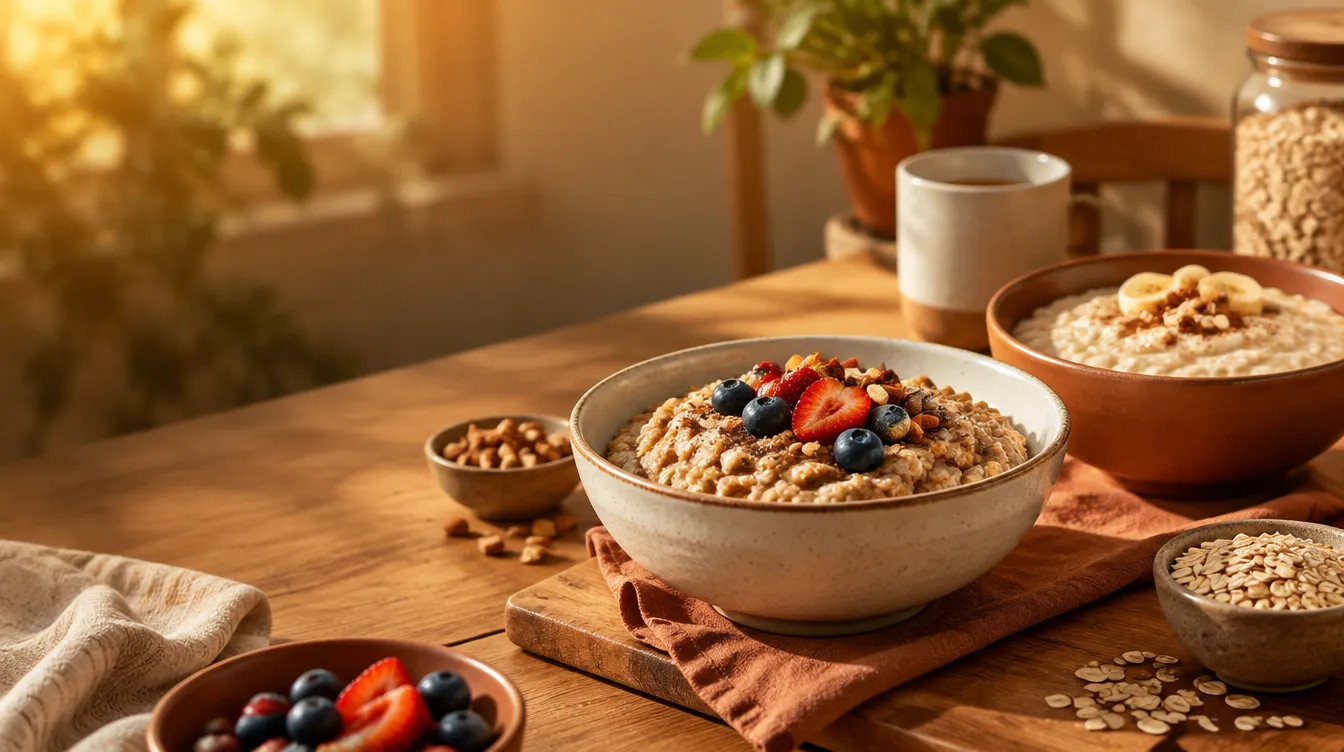
Quick answer: Yes — oatmeal is one of the better breakfast carbohydrates for type 2 diabetes, but the type decides. Steel-cut and rolled oats carry intact grain structure and beta-glucan fiber that slows digestion and genuinely improves post-meal glucose; instant oatmeal packets are processed fine enough that they behave much more like a fast cereal. Unsweetened oats in a measured portion, cooked, with protein and gentle toppings, is the version that earns the reputation.
Oatmeal has the strangest reputation in diabetes eating: simultaneously “a superfood breakfast” and “the thing that spiked me 80 points.” Both statements are true for different versions of the food. This guide explains the difference, how to portion it, and what to put on top.
What does oatmeal actually do to blood sugar?
Oats are a whole grain carrying two things that matter for glucose. The first is beta-glucan, a soluble fiber that forms a gel in the gut, slowing digestion and glucose absorption — this is the fiber with actual regulatory health claims for blood sugar behind it, and oats are its richest common source. The second is intact grain structure: a whole oat kernel is a physical object the digestive system has to unpack.
The type of oat determines how much of that structure survives processing:
- Steel-cut oats are the whole groat chopped into pieces — maximum structure, slowest digestion, the gentlest curve of any common cereal.
- Rolled (old-fashioned) oats are steamed and flattened — still genuinely whole, still good, digest moderately.
- Quick oats are rolled thinner and cut smaller — noticeably faster.
- Instant packets are pre-cooked, dried, and rolled paper-thin, frequently with added sugar and flavoring. The processing has effectively pre-digested the starch; the curve is steep. This is the version that earned oatmeal its “spiked me” reputation, and it’s usually also carrying 12+ grams of added sugar per packet.
A 40-gram portion (about half a cup dry) of unsweetened oats carries roughly 27 grams of carbohydrate, about 4 of them beta-glucan fiber — a load that, digested slowly, lands as a long low curve rather than a spike. The CDC’s healthy-carb guidance names old-fashioned and steel-cut oats specifically as the whole-grain swap for sugary cereals — the exact distinction this section draws.
How do you build a bowl that behaves?
The oats are half the answer; the bowl is the other half:
- Portion once, by dry weight. 40–50 grams dry is the workable starting point — about half a cup. Most people pour closer to 80, and the load difference is the whole story. Weigh it once; your eye learns.
- Cook it rather than microwave-instant it. Five extra minutes of stovetop cooking with steel-cut or rolled oats is the difference between the two reputations.
- Add protein to the bowl. Cooked with milk instead of water, stirred with Greek yogurt after cooking, or with a scoop of protein powder — the protein turns the bowl’s own curve flatter and holds you to lunch. This is the same pairing logic the egg guide covers.
- Choose toppings deliberately. Berries, cinnamon, chopped nuts, and seeds all help or at least stay neutral. The bowl-killers are brown sugar, honey, maple syrup, dried fruit, and granola clusters — each one adds fast carbs to a food whose entire virtue is being slow. A tablespoon of chopped walnuts changes the bowl’s behavior less than a tablespoon of honey and supports it better.
- Try overnight oats. Soaking rolled oats in yogurt and milk overnight, then topping with berries and nuts, produces one of the most glucose-friendly breakfasts available — the cold soak plus protein plus zero added sugar, all assembled the night before.
Portioned and built this way, oatmeal sits inside the same carb-budget logic as everything else we’ve covered — the budget framework works the same at breakfast, and for morning-routine context, our two-numbers breakfast guide shows where a bowl fits. For the official version of the whole-grains principle, the ADA’s guide to carbs lists intact whole grains — oatmeal among them — in the “eat some of these” middle band of the diabetes plate.
Savory oats: the underrated version
One more version of the bowl worth knowing, because it sidesteps the entire sweet-topping problem: savory oatmeal. Cook steel-cut oats in broth instead of water or milk, then top them the way you’d top rice — a fried egg, sautéed spinach or mushrooms, leftover roasted vegetables, a scatter of cheese or a drizzle of olive oil, salt and pepper.
The result is a bowl with oatmeal’s slow-digesting base and none of the dessert gravity, and it solves the most common real-world failure of the oatmeal habit: getting bored of the sweet version by February and drifting back to the pastry shelf. For households where oats feel like “diet food,” the savory bowl reframes them as what they are — a whole grain that behaves like rice with better credentials. It also slots directly into the plate-composition habits from the rice guide: protein and vegetables first, measured portion of slow carbs underneath.
The takeaway
So: keep the oatmeal — just make sure it’s the version the reputation was built on. Steel-cut or rolled, unsweetened, weighed once, cooked, with protein in the bowl and toppings chosen as if they’re part of the meal rather than a reward for eating it. The gap between that bowl and a flavored instant packet is wider than almost any other same-food comparison in the store — which makes oatmeal the cheapest upgrade in diabetes breakfast: the expensive version costs four more minutes and one glance at the label.
One habit worth borrowing from how people actually eat oatmeal around the world: cook a larger batch of steel-cut oats once, refrigerate it, and reheat portions across three or four mornings. Cold storage converts some of the oat starch to resistant starch — the same free upgrade the cooled-rice trick provides — and it removes the daily-cooking excuse that quietly kills most oatmeal habits. Reheated with a splash of milk, topped with berries and walnuts, a make-ahead bowl is a two-minute breakfast with steel-cut credentials. Batch cooking is the difference between the oatmeal plan that works for a week and the one that works for a year.
A note on flavor vs. health expectations, because the gap disappoints people: plain steel-cut oats taste like what they are — a mild, slightly nutty whole grain — and no amount of wishing makes them taste like a flavored packet. The fix isn’t sugar; it’s the same trick every good plain base uses. Toasting the dry oats in the pot for two minutes before adding liquid roughly doubles their flavor, browning them like you would rice. Cinnamon, cardamom, a pinch of salt, and vanilla deepen it further without a gram of sugar. Salt especially is the underrated oat ingredient — most “boring oatmeal” is actually under-salted oatmeal. A bowl built this way tastes deliberate rather than medicinal, and deliberate is the version that survives.
Frequently asked questions
Does oatmeal spike blood sugar? Instant packets often do — they’re pre-cooked and paper-thin, sometimes with added sugar, so the starch digests fast. Steel-cut and rolled oats, cooked and portioned, digest slowly and produce a long, low curve.
Is steel-cut oatmeal better than rolled oats for diabetes? Modestly, yes — steel-cut keeps the most intact grain structure and digests slowest. Rolled oats are still a genuinely good choice; the practical difference is smaller than the gap both have from instant packets.
How much oatmeal can a diabetic eat? A workable starting point is 40–50 grams dry weight (about half a cup) of unsweetened oats per breakfast, cooked, with protein added — adjusted by your own 1–2 hour readings and your care team’s targets.
Are instant oatmeal packets bad for diabetics? They’re the least favorable version: heavily processed, digests fast, and flavored packets carry 12+ grams of added sugar. Plain instant is usable in a measured portion with protein added; the flavored packets behave like dessert.
What are the best toppings for oatmeal with diabetes? Berries, cinnamon, chopped nuts, chia or flax seeds, and Greek yogurt. Avoid brown sugar, honey, syrup, dried fruit, and granola clusters — each adds fast carbs to a food whose whole value is being slow.
Can oatmeal lower blood sugar over time? Beta-glucan fiber from oats has documented blood-sugar and cholesterol benefits, and regular oat consumption is associated with improved markers in type 2 diabetes. It supports the pattern; it doesn’t replace medication decisions or the rest of the diet.
This guide is also available in Spanish: ¿Es buena la avena para la diabetes? Cortada vs instantánea.
Want the complete system?
This guide is based on Hardy's ebooks — plain-language, step-by-step PDFs you can read in one sitting. See all guides
Educational content only — not a substitute for advice from your doctor or pharmacist. Always work with your care team.