Insulin Resistance Diet: What to Actually Eat
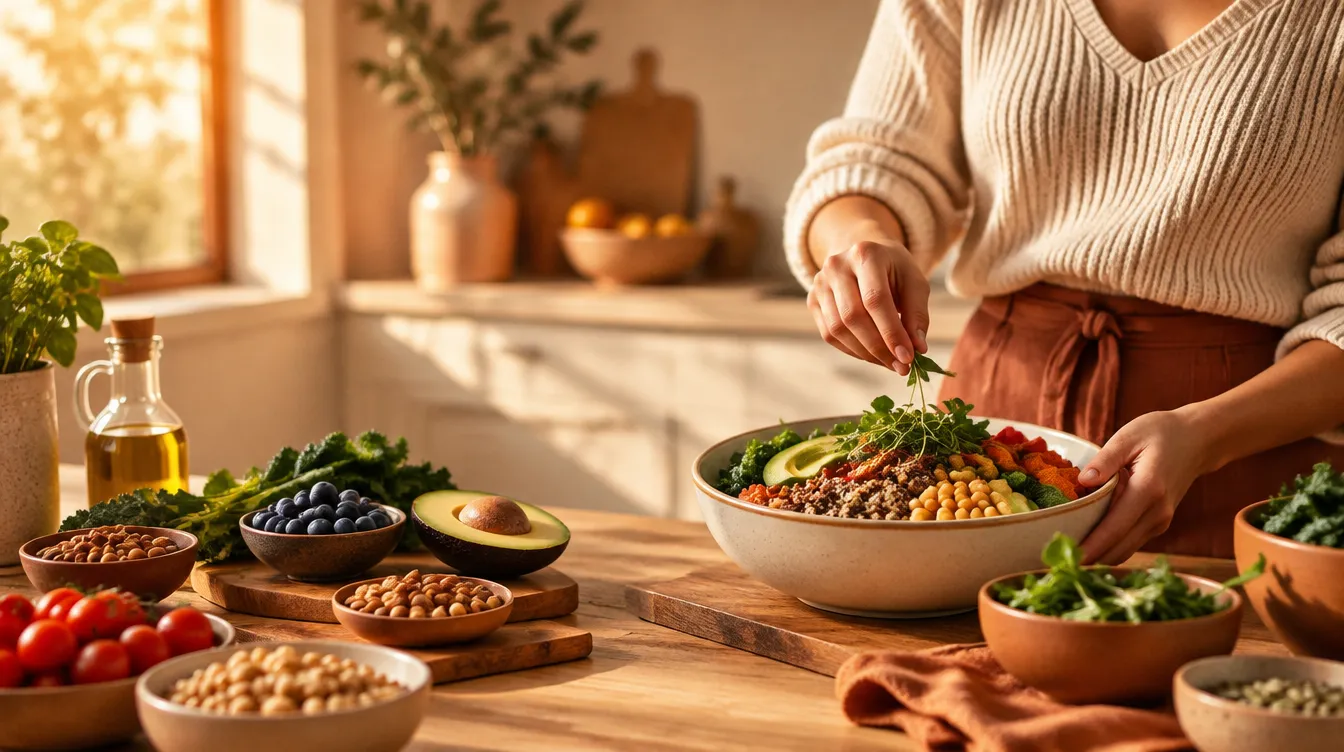
Quick answer: An insulin resistance diet isn’t a named diet — it’s a pattern: moderate carbohydrates from intact foods, protein and vegetables at every meal, fiber as a daily target, as few rapidly-absorbed carbs as your taste allows, and food timing that gives your body overnight breaks. Nothing is forbidden; the fast-absorbing carbs are rationed and paired. Insulin resistance responds to this pattern measurably within weeks, and the improvement compounds with weight change, muscle, sleep, and walking.
“Insulin resistance diet” gets searched half a million times a year, and the results are a war of branded eating plans. The honest version is simpler than any brand: insulin resistance is the condition of needing more insulin to handle the same food, and the diet is anything that reduces that need. Here’s what the pattern actually looks like on a plate.
The mechanics in one paragraph
Insulin is the hormone that moves glucose out of blood and into cells. When cells respond weakly (resistance), the pancreas compensates by making more — for years, successfully. The diet’s job is to reduce the demand: fewer and slower glucose arrivals, less insulin needed per meal, more muscle to receive the glucose. Food can’t directly “repair” receptors, but it changes the workload every single day — and workload is what the body adapts to.
The pattern, plate by plate
- Protein anchor at every meal. Eggs, fish, chicken, meat, tofu, Greek yogurt, legumes. Protein triggers the least insulin demand per nutrient and slows everything else at the table. First few bites, per our carbs-last ordering guide.
- Vegetables as volume. Half the plate at lunch and dinner. Fiber is the mechanical brake on glucose absorption — the single most under-consumed nutrient in insulin resistance.
- Carbohydrates: intact, measured, rationed. Beans, lentils, oats, barley, quinoa, sweet potato, fruit — the versions that still have their fiber and water. The single-food guides here all follow the same logic: portion first, pairing second.
- Fast carbs are the rationed treat. White bread, juice, sweet drinks, most breakfast cereals, pastries — these arrive fastest and demand the most insulin. Not banned; budgeted, and paired with protein when they appear. The dessert budget logic applies to all of them.
- Fat is fine — from food. Olive oil, nuts, avocado, fish. Fat slows absorption and carries satiety; the old low-fat advice aged badly for insulin resistance.
- A real overnight fast. The 12-hour overnight break (say, 7pm to 7am) is when insulin sensitivity partially resets — the dinner window habit is an insulin-resistance intervention wearing a sleep costume.
A day that fits the pattern
- Breakfast: 2–3 eggs, vegetables, one slice of whole grain toast or a small bowl of steel-cut oats with nuts. (Cereal-and-juice is the classic insulin-resistance breakfast — our oatmeal guide covers the better bowl.)
- Lunch: big salad or bowl with chicken/fish/tofu, beans, olive oil dressing, one measured carb (quinoa, whole grain roll).
- Dinner: protein + vegetables first, measured carb last, finished early enough for the overnight fast.
- Snacks if needed: nuts, yogurt, fruit with cheese — paired, not naked carbs.
- Drinks: water, coffee, tea. Sweet drinks are the single fastest way to drink insulin resistance back.
What the evidence says about named diets
Mediterranean-style, lower-carb, and plant-forward patterns all improve insulin resistance in trials — because they’re all the same pattern wearing different clothes: intact carbs, protein, fiber, healthy fats. No single brand owns the mechanism — the NIDDK prediabetes and insulin resistance overview describes the same pattern without a product attached. The best diet for insulin resistance is the version of that pattern you can run for years — which is why our guides keep your grocery favorites and restaurant meals inside the plan rather than outside it.
How you’ll know it’s working
The measurable markers, roughly in order of response: post-meal readings improve first (weeks), then fasting (weeks to months), then waist circumference and energy. A1c follows over a full quarter. The two-week tagging experiment from the sleep guide doubles as an insulin-resistance tracker: fasting readings, meals, and one word about stress per day. Resistance improves on a months timescale — the trend line, not the daily number, is the scoreboard.
The two-week setup that makes the pattern stick
Reading about a pattern and running one are different sports. The first two weeks decide most of the outcome, and they go better with structure:
- Week 1: change breakfasts only. Protein-first mornings, every day. That’s the whole assignment — one meal, repeated, measurable. Fasting readings will tell you within days whether it moved.
- Week 2: add the overnight break. Push dinner earlier or breakfast later so the 12-hour window appears most nights. The dinner window guide has the details on how the sleep and glucose effects stack.
- Both weeks: one tag per reading. Fasting number, plus one word — “slept 5h,” “walked,” “stress.” By day 14 you’ll have the trend line and the reasons behind it, which is more information than most people get from a year of guessing.
This is deliberately unambitious. The failure mode of insulin-resistance diets is the total overhaul that collapses in week three; the two-week ramp builds a pattern that survives holidays, travel, and bad weeks.
Eating out, holidays, and the 80/20 reality
A pattern that only works at home isn’t a pattern — it’s a schedule. The same plate logic travels:
- Restaurants: protein and vegetables ordered first, carb portion treated as the measured item, bread basket declined or rationed. Our restaurant ordering guide walks a real menu.
- Grocery runs: the perimeter (produce, meat, dairy) is pattern-compatible by default; the aisles are rationed items. The favorites-preserving grocery guide keeps your actual brands in the plan.
- Holidays and parties: the 80/20 frame — the pattern runs most days, and the feast is eaten enjoyed and unmeasured, then the next meal is back on pattern. One day off costs almost nothing; the guilt-spiral “I ruined it” response costs weeks.
Insulin resistance responds to the long average, not the individual meal. A pattern you can hold 80% of the time for years beats a perfect one you hold for a month.
The takeaway
So: the insulin resistance diet is a pattern, not a product — protein anchored, vegetables generous, carbs intact and rationed, fast carbs budgeted and paired, fat from food, and a real overnight fast. Stack it with muscle and walks and it compounds. Start with one change (protein-first breakfast is the highest-yield swap) and let the meter track the trend.
Frequently asked questions
What foods improve insulin resistance fastest? No food fixes it directly — but the pattern that lowers demand fastest is protein-and-vegetable anchored meals with intact, fiber-rich carbs in measured portions, minimal sweet drinks, and a 12-hour overnight break. Post-meal readings usually respond within weeks.
Are carbs completely off-limits with insulin resistance? No — intact carbs (beans, oats, barley, fruit, sweet potato) in measured portions are part of the pattern. The problem carbs are the fast-absorbing ones: juice, sweet drinks, white bread, most cereals. Ration and pair rather than eliminate.
Is fasting good for insulin resistance? The 12-hour overnight fast genuinely helps insulin sensitivity reset — it’s the easiest fasting win. Longer fasts show benefits in some studies but are harder to sustain and worth a doctor’s input if you take glucose-lowering medication.
How long does it take to reverse insulin resistance with diet? Measurable improvement starts in 2–4 weeks (post-meal and fasting readings); substantial reversal typically takes months, and compounds with weight change and muscle building. Full reversal is possible for many, especially early in the process.
Do I need to lose weight to fix insulin resistance? Weight loss helps significantly — but it’s not the only lever. Muscle building, meal composition, meal timing, sleep, and walking all improve insulin sensitivity independent of the scale, and they work together.
This guide is also available in Spanish: Dieta para la resistencia a la insulina: qué comer de verdad.
Want the complete system?
This guide is based on Hardy's ebooks — plain-language, step-by-step PDFs you can read in one sitting. See all guides
Educational content only — not a substitute for advice from your doctor or pharmacist. Always work with your care team.