How to Raise Blood Pressure Safely
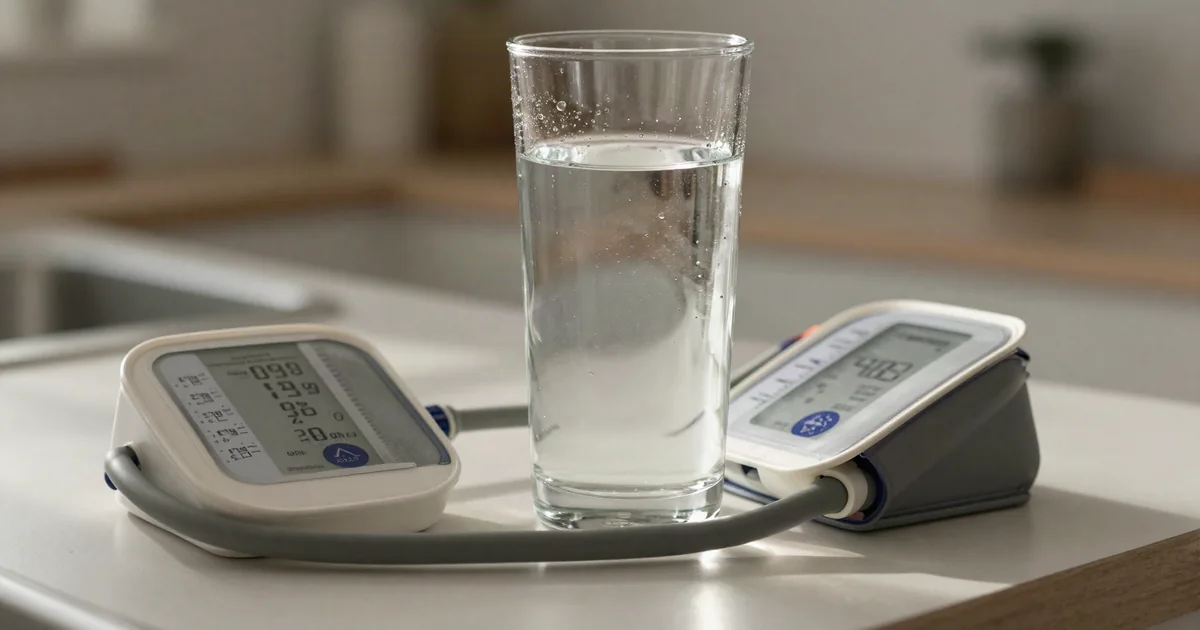
Quick answer: The safest ways to raise low blood pressure without drugs are to drink enough fluids, stand up in stages, eat smaller meals, and avoid alcohol in the heat. Compression stockings help some people. Don’t load up on salt or reach for stimulants on your own. If you have dizziness, fainting or fatigue that keeps coming back, see a doctor to find the cause.
You’ve had a low reading, or you feel dizzy, drained or foggy when you stand up. Now you’re searching for a quick fix. Most of what you’ll find online says to eat salt, drink licorice tea or take caffeine pills. That advice ignores that many people with low readings also live with diabetes, kidney disease or high blood pressure at other times of day. This post covers what’s reasonable to try, and what to avoid.
Why “just eat more salt” is the wrong advice
Salt does pull water into your blood and can lift pressure. That’s why it’s everywhere in online advice. But for many people reading this site, salt is a risk, not a fix.
Think about who has low readings. Some people have high blood pressure that swings low at certain times, such as after meals, after standing, or on hot days. Some have kidney disease, where the body can’t clear extra sodium and fluid well. Some have diabetes, which can affect the nerves that control blood pressure. In each case, a salt load can push pressure too high later, cause swelling, or strain your kidneys and heart.
Licorice has a similar problem. Real licorice root can raise blood pressure and lower potassium, and it isn’t a safe thing to experiment with.
If a doctor has looked at your situation and told you to add salt, that’s a different matter. They know your kidneys, your heart and your other readings. Don’t make that call alone from a search result.
Why stimulants are a bad idea too
Energy drinks, high-dose caffeine, diet pills and “focus” supplements can raise your pressure and your heart rate. They do it by stressing your system, not by fixing what’s wrong.
The trouble is that you don’t control how far they push. A reading that was low at 7 a.m. can be high by afternoon. A racing heart on top of dizziness can also be a worse problem than the one you started with.
Some products sold for “low blood pressure” or “energy” also interact with medicines or hide unlisted ingredients. If you take anything, check with a pharmacist or doctor first. If you take nothing, you still shouldn’t assume a supplement is neutral.
A cup of your usual tea or coffee is not the concern. The concern is using stimulants as a treatment, in bigger amounts than you normally have, to override how you feel.
Fluids, and electrolytes in the heat
Being short on fluid is one of the most common and fixable reasons for low pressure. Less water in your blood means less pressure in your vessels. You may notice it after a hot day, a stomach bug, sweating hard, or simply forgetting to drink.
Some practical points:
- Sip fluids through the day instead of gulping a lot at once.
- Drink more in hot weather, during illness with vomiting or diarrhea, and when you exercise.
- Pale yellow urine is a rough sign you’re doing fine. Dark urine suggests you need more.
- A glass of water before getting up from a long sit or lie-down helps some people.
Electrolytes matter when you’ve lost a lot through sweat or illness. But if you have kidney disease, heart failure or a doctor-set fluid limit, don’t guess. Ask your doctor or dietitian how much fluid is right for you, and which drinks suit you. Many sports drinks and mixes are high in sugar, sodium or potassium.
Dehydration can also feel like anxiety, and the two get mixed up. Our post on dehydration, anxiety and high blood pressure explains how.
Stand up in stages
Many low-pressure symptoms happen when you change position. Your blood pools in your legs when you stand, and your body needs a few seconds to catch up. This is often called orthostatic hypotension.
A slower routine helps:
- Before getting out of bed, sit up and stay there for a minute.
- Move your feet and ankles in circles.
- Put your feet on the floor and sit on the edge for another minute.
- Stand up, and hold something steady for a few seconds before walking.
Do the same after sitting for a long time, after a hot shower, and after using the toilet.
If you feel faint, don’t push through it. Sit or lie down right away. Falling is the real danger here, especially if you’re older or have bone problems.
Counter-manoeuvres that help in the moment
If you feel the lightheaded wave starting, there are physical moves that squeeze blood back up toward your heart and brain. They’re widely taught for people who faint easily.
- Cross your legs and squeeze your thighs and buttocks together while standing.
- Tense your leg and stomach muscles for 20 to 30 seconds.
- Make fists and squeeze your hands hard.
- Squat down if you have room and your knees allow it.
- March in place gently if you’re stuck waiting in a line.
These buy you time. They aren’t a cure, and they’re not a reason to ignore repeated symptoms. If you do feel faint, sit or lie down once you can, ideally with your legs raised.
Any new or worsening fainting still deserves a medical visit, even if these tricks seem to work.
Smaller meals and alcohol
Big meals can drop your pressure. After you eat, blood flows to your gut to help digestion, and some people don’t compensate well. This is called postprandial hypotension, and it’s more common with age and with diabetes-related nerve changes.
What often helps:
- Eat smaller meals, more often, instead of one or two large ones.
- Sit or rest for a while after eating instead of standing up and rushing off.
- Notice whether very large or very sugary meals make you worse. Your dietitian can help you sort out what suits you.
Alcohol is a second trap. It widens blood vessels and acts as a diuretic, so you lose fluid. In hot weather the effect stacks up. A drink on a hot day can leave you far more lightheaded than the same drink in a cool room. If you notice symptoms, cut back or skip alcohol, drink water alongside it, and avoid it entirely when you’re already dizzy or dehydrated.
Compression stockings: when they help
Compression stockings squeeze your legs and cut down on blood pooling when you stand. For some people with symptoms on standing, they make a real difference. Waist-high or abdominal support tends to work better than ankle-length socks, because a lot of pooling happens higher up.
They aren’t right for everyone. Poor circulation in your legs, nerve damage, skin problems or heart failure can make them unsuitable or even harmful if they’re the wrong fit. People with diabetes should be especially careful, since reduced feeling in the feet can hide damage from tight garments.
Ask your doctor or pharmacist before buying a pair. Get measured so the fit is right. Put them on in the morning before you get up, when your legs are least swollen.
What to track
A few weeks of notes can tell your doctor more than a single clinic reading.
- Readings: Check sitting, then again after standing for one to three minutes. Write down both numbers. If you’re unsure how to read them, see our guide to blood pressure numbers explained.
- Time and context: Morning, after meals, after heat, after alcohol.
- Symptoms: Dizziness, blurred vision, fatigue, fainting, palpitations.
- Fluids and meals: Roughly how much you drank and ate beforehand.
- Medicines or supplements: Anything you take, or have recently changed.
Use a validated upper-arm monitor if you can, and take readings the same way each time. Bring the log to your appointment.
When low pressure needs a doctor
Low readings with no symptoms are often fine. Symptoms are what matter. See a doctor promptly if you faint, fall, or feel dizzy often. Low pressure can come from dehydration, medicines, heart rhythm or valve problems, hormone issues, bleeding, infection, nerve damage from diabetes, or kidney trouble. A habit change can’t fix those.
Get urgent help if low pressure comes with chest pain, trouble breathing, confusion, a very fast or irregular heartbeat, black or bloody stools, severe vomiting or diarrhea, or fainting with a head injury. Call emergency services if you can’t get help any other way.
The bottom line
The useful steps are simple. Keep your fluids up, especially in heat. Stand up in stages. Use leg-squeezing manoeuvres when you feel faint. Eat smaller meals and go easy on alcohol. Ask about compression stockings. Track your readings and symptoms. Skip salt loading, licorice and stimulants, because you may also have high pressure, kidney disease or diabetes, and these quick fixes can backfire. Repeated dizziness or fainting is a reason to find the cause, not a reason to experiment. Take your notes to a doctor and work from there.
If you’re still learning what your numbers mean, start with our blood pressure numbers explained guide. And if your symptoms come with heat, thirst or racing thoughts, read about dehydration, anxiety and high blood pressure.
Sources: CDC (cdc.gov), NIH/NIDDK (niddk.nih.gov), American Heart Association (heart.org), MedlinePlus (medlineplus.gov).
This article is for general education and is not medical advice. Talk to your doctor or dietitian before changing your diet, fluids, supplements or treatment.
This page is education, not medical advice. Bring your questions and your own numbers to your doctor or care team — they know your history.
Frequently asked questions
Is low blood pressure always a problem?
No. Some people run low all their lives and feel fine. It becomes a concern when you have symptoms such as dizziness, fainting, blurred vision or unusual tiredness, or when your readings drop suddenly from your usual numbers. Symptoms and change matter more than one number.
Can drinking water really raise blood pressure?
In people who are low on fluid, yes, it can help. Water adds volume to your blood, and some people notice a lift within minutes. If you have kidney disease or heart failure, ask your doctor how much fluid is safe for you before increasing it.
Is coffee a safe way to raise low blood pressure?
A usual cup may give a small, short lift, but it's not a dependable treatment. Large amounts can raise heart rate and worsen anxiety or sleep. If you also have high readings at other times, stimulants are a poor tool. Don't use caffeine as a substitute for finding the cause.
Want the complete system?
This guide is based on Hardy's ebooks — plain-language, step-by-step PDFs you can read in one sitting. See all guides
Educational content only — not a substitute for advice from your doctor or pharmacist. Always work with your care team.