What Is a Normal Blood Sugar Level? Fasting, After Eating, and by Age
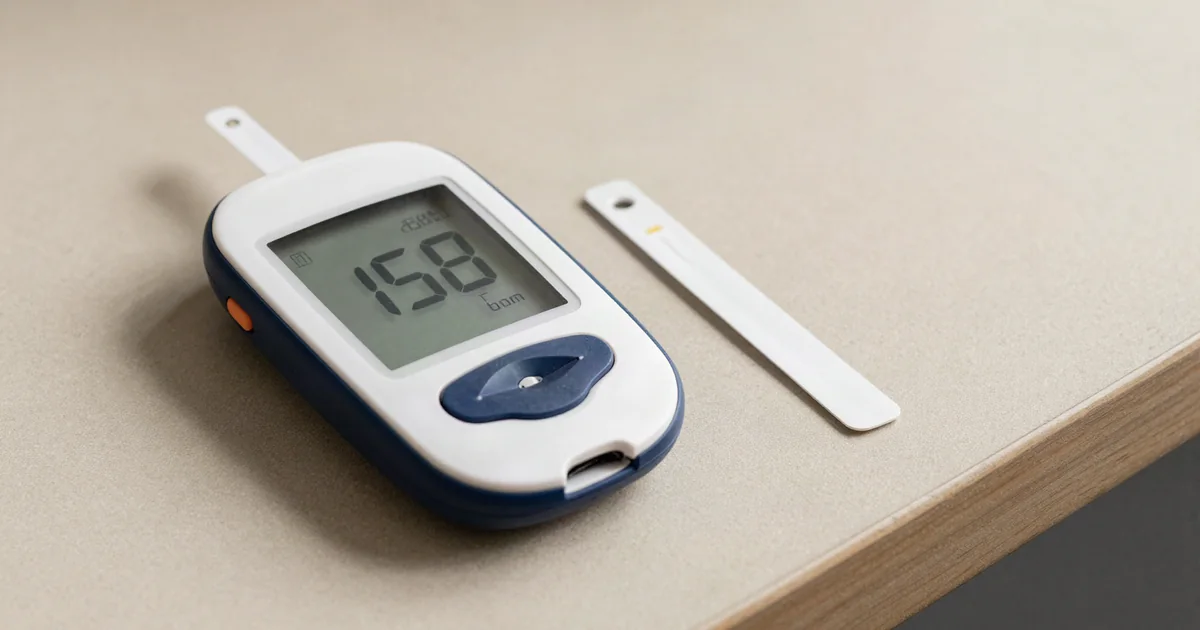
Quick answer: Normal fasting blood sugar is 70 to 99 mg/dL, which is 3.9 to 5.5 mmol/L, and under 140 mg/dL (7.8 mmol/L) two hours after a meal. A fasting number of 100 to 125 puts you in prediabetes territory and 126 or higher on two lab tests is how diabetes gets diagnosed.
My A1C was 9. It sits at 6.5 now, my fasting runs 4 to 5 mmol/L and two hours after eating I’m under 6. I say that up front because for the first year I had no idea which numbers were mine to worry about and which were just noise on a screen.
A meter without a reference range is a machine that scares you. A meter with one is a tool. The difference between those two things is about twenty minutes of reading, and this page is the twenty minutes.
What is a normal blood sugar level when I wake up?
Fasting means eight hours or more without food, which in real life means the first reading of your morning.
| What it means | mg/dL | mmol/L |
|---|---|---|
| Normal | 70 to 99 | 3.9 to 5.5 |
| Prediabetes | 100 to 125 | 5.6 to 6.9 |
| Diabetes range | 126 and up | 7.0 and up |
Two things people get wrong here, and I got both wrong.
A diabetes diagnosis is not made from a home meter. It’s made from lab tests, and usually confirmed on a second test on another day. Your meter is a smoke alarm, the lab is the fire inspection.
And fasting readings are the noisiest ones you own. Sleep, stress, a late dinner, a cold, one bad night, any of those can lift a fasting number without anything about your diabetes changing. If a fasting reading surprises you, the answer is not to panic at seven in the morning, it’s to look at the week.
What should it be two hours after eating?
Under 140 mg/dL, or under 7.8 mmol/L, if you don’t have diabetes.
If you do have diabetes, the number you’re aiming at is a different number, set by your care team. Diabetes Canada’s usual target for adults is 5.0 to 10.0 mmol/L two hours after a meal, which is deliberately wider than the “normal” range because a target you can hold for twenty years beats a perfect number you hold for three weeks.
Two hours means two hours from the first bite. Not from the last. That detail changes readings more than people expect, because a slow meal can make a good number look like a bad one.
And if you want the honest comparison, this is the one I actually watch. My fasting is 4 to 5 and my two-hour is under 6, and those two numbers tell me most of what I need to know about a meal. Not every meal, not every day. Most.
What is that in mmol/L, for the Canadians?
Divide mg/dL by 18 and you have mmol/L. That’s the whole conversion, and it’s worth memorising because half the internet is in the other unit.
99 mg/dL is 5.5. 126 is 7.0. 140 is 7.8. 180 is 10.0. | | mg/dL | mmol/L | |—|—|—| | Normal fasting | 70 to 99 | 3.9 to 5.5 | | Normal, 2 hours after eating | under 140 | under 7.8 | | Prediabetes, fasting | 100 to 125 | 5.6 to 6.9 | | Diabetes range, fasting | 126 and up | 7.0 and up | | Diabetes Canada target, before meals | 90 to 126 | 5.0 to 7.0 | | Diabetes Canada target, 2 hours after | 90 to 180 | 5.0 to 10.0 |
Here’s the trap in that last row. Those are targets for people who already have diabetes, not normal ranges for people who don’t. Mixing them up is the single most common way people frighten themselves with their own meter. An 8.5 two hours after dinner is not normal for someone without diabetes. It’s inside the target for someone who has it, and inside the target is where you’re trying to live.
Does “normal” change with age?
A little, in both directions, and the direction that surprises people is the one for older adults.
Children and healthy adults run roughly the same fasting numbers. Teenagers can sit at the low end of the adult range because they have less muscle mass than a grown adult and they clear glucose fast.
Older adults are where doctors deliberately loosen things. For someone in their late seventies with other conditions, a fasting target of 5.0 to 8.0 mmol/L can be the right call, because a low is more immediately dangerous to a frail body than a moderately high number is over a year. Tight is not automatically better. Tight is better when you can hold it without falling over.
Pregnancy goes the other way and gets stricter than any other group, because glucose crosses the placenta. That’s a conversation with an obstetric team, not a chart.
My own number is 43 years old with type 2 diabetes and CKD, and my targets are mine, set with my care team, adjusted twice since diagnosis. Yours should be set the same way. The A1C chart by age is the page that picks this up for the three-month number.
What about a low reading?
A low gets less attention than a high and it needs more speed.
Below 70 mg/dL, or 3.9 mmol/L, is the usual line. Shaking, sweating, a racing heart, sudden hunger, irritability, and if it keeps dropping, confusion and trouble walking. From the outside it can look like the person has been drinking, which is why the people you live with should know what it looks like.
The standard response is fast sugar, glucose tabs, juice, regular soda, then recheck in fifteen minutes. If lows are showing up often, or coming without warning, that’s a change in your pattern and it belongs in a conversation with your doctor this week, not next year.
One trap worth naming: feeling shaky is not the same as being low. Test first, then treat. I’ve eaten sugar for a feeling and I’ve learned that lesson the boring way.
What actually moves my number day to day?
Four things do most of the work, and none of them is willpower.
Portion, not perfection. Two plates of pasta and one plate of pasta are different curves, not different characters. I still eat pasta.
The order you eat in. Vegetables and protein first, carbs last measurably flattens the after-meal rise. Same food, gentler curve, the mechanics are in eating carbs last.
The walk after the meal. Ten or fifteen minutes pulls glucose into working muscle, and it’s the most underrated habit I have. I walk after every meal and I do 10,000 steps a day, and I started with neither of those.
Sleep and stress. A short night raises the morning number through stress hormones, and a bad week lifts your readings as reliably as cake. When my meter misbehaves, I check my week before I check my character.
When my A1C went from 9 to 6.5, it wasn’t one decision. It was portions, order and the evening walk becoming things that happened most days. Most days is the whole trick.
When to call your care team
- A reading over 400 mg/dL, or over 250 mg/dL that won’t come down.
- Vomiting, fruity-smelling breath, or deep fast breathing, emergency care.
- A low below 54 mg/dL (3.0 mmol/L), or a low you needed someone else’s help to treat.
- Lows happening more than once a week, or at night.
- Two weeks of numbers running higher than usual with no explanation you can find.
General information, not medical advice. Ranges here are reference points, not your targets. Your targets get set by your care team against your age, your kidneys, your medications and your history, and they change as those change.
Frequently asked questions
What is a normal blood sugar level when I wake up?
Fasting means eight hours or more without food, which in real life means the first reading of your morning. Two things people get wrong here, and I got both wrong.
What should it be two hours after eating?
Under 140 mg/dL, or under 7.8 mmol/L, if you don't have diabetes. If you do have diabetes, the number you're aiming at is a different number, set by your care team.
What is that in mmol/L, for the Canadians?
Divide mg/dL by 18 and you have mmol/L. That's the whole conversion, and it's worth memorising because half the internet is in the other unit. 99 mg/dL is 5.5. 126 is 7.0. 140 is 7.8. 180 is 10.0. | | mg/dL | mmol/L | Here's the trap in that last row.
Does "normal" change with age?
A little, in both directions, and the direction that surprises people is the one for older adults. Children and healthy adults run roughly the same fasting numbers.
What about a low reading?
A low gets less attention than a high and it needs more speed. Below 70 mg/dL, or 3.9 mmol/L, is the usual line.
What actually moves my number day to day?
Four things do most of the work, and none of them is willpower. Portion, not perfection. Two plates of pasta and one plate of pasta are different curves, not different characters.
Want the complete system?
This guide is based on Hardy's ebooks — plain-language, step-by-step PDFs you can read in one sitting. See all guides
Educational content only — not a substitute for advice from your doctor or pharmacist. Always work with your care team.